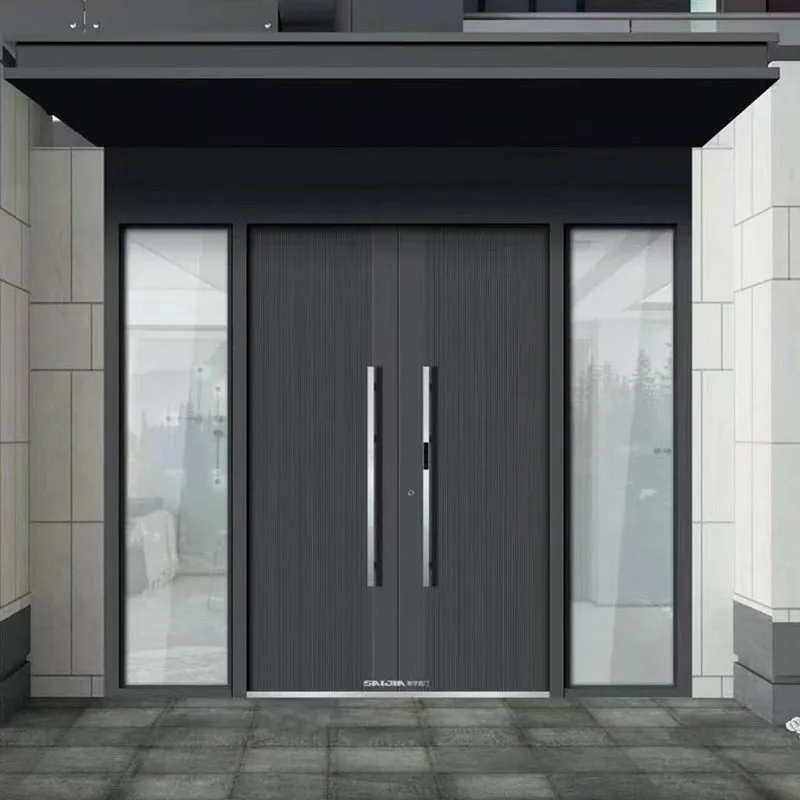

Quick Answer
An anti-theft door earns the name from four things working together: a reinforced leaf, multi-point locking with a protected cylinder, anti-lift or concealed hinges, and a solid frame anchored into the wall. The label alone means nothing — judge a security door by those components and by the standard it is tested to, not by the word "anti-theft" on the brochure. On a villa, a good one delivers all of this behind a decorative face.
What Makes a Door "Anti-Theft"?
"Anti-theft" is a description, not a guarantee. Any door can carry the word; what matters is whether the leaf, the lock, the hinges and the frame are built to resist a forced entry as a system. A strong lock on a weak leaf fails; a solid leaf with an exposed cylinder fails. Security comes from the weakest link, so all four parts have to be right.
That is the lens to use for the rest of this guide. Below we break the door into its parts, show what separates a real security door from an ordinary one, and give you the questions that expose whether a supplier's "anti-theft door" is the real thing.
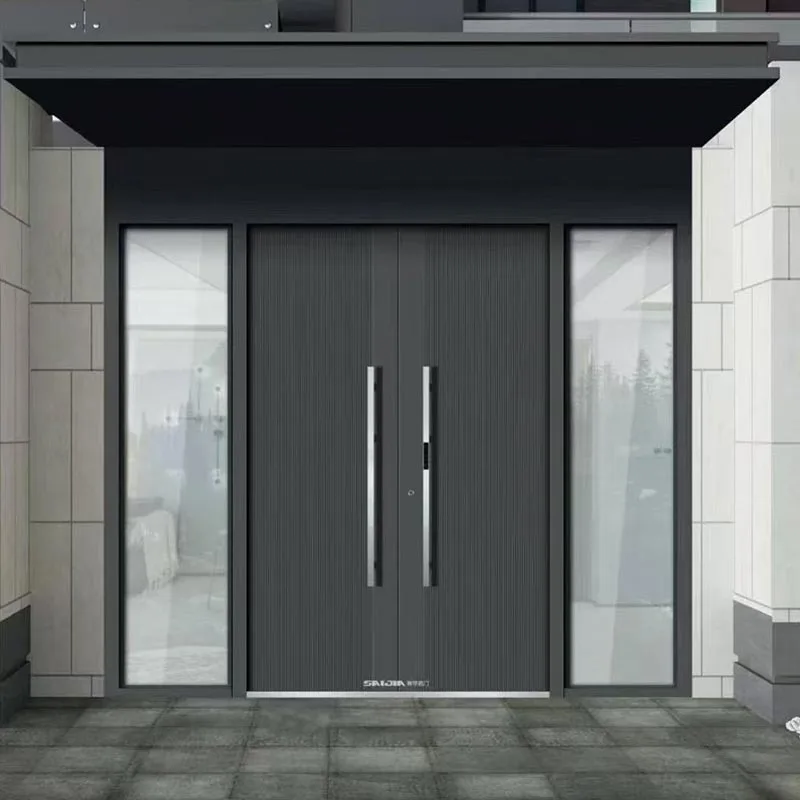
The Parts That Actually Stop Intruders
Four components carry the security. When you compare doors, compare these — not the marketing.
| Component | Its job | What to look for |
|---|---|---|
| The leaf | Resists being forced, cut or pried | A solid, reinforced structure — not a hollow shell |
| The lock | Holds the door shut under attack | Multi-point locking that bolts at several points, not one latch |
| The cylinder | Resists picking, drilling and snapping | A protected, higher-grade cylinder behind a guard |
| The hinges | Stop the leaf being lifted off | Anti-lift pins or concealed hinges |
| The frame | Anchors everything to the wall | A strong frame fixed firmly into the structure |
Multi-point locking is the single upgrade that most changes a door's security: instead of one latch, the door bolts into the frame at several points along the leaf, spreading the force an intruder has to overcome. Ask about it first.
Anti-Theft Door vs Ordinary Door
| Anti-theft door | Ordinary door |
|---|---|
| Reinforced, solid leaf | Lighter or hollow leaf |
| Multi-point locking | Single-point latch and lock |
| Protected, higher-grade cylinder | Standard exposed cylinder |
| Anti-lift or concealed hinges | Standard hinges, liftable |
| Frame anchored into the wall | Lightly fixed frame |
Security Without the "Fortress" Look
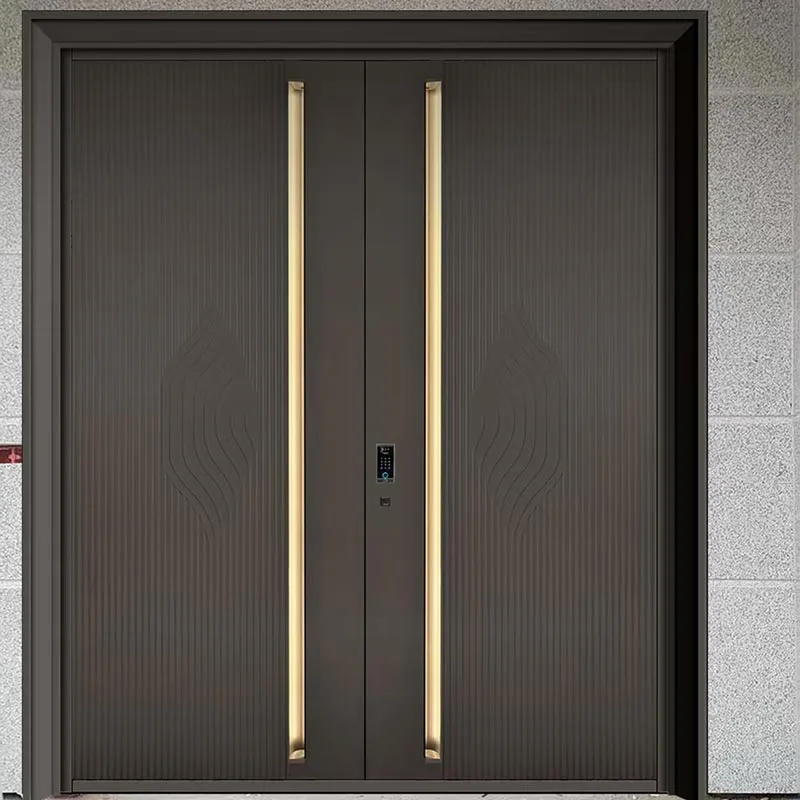
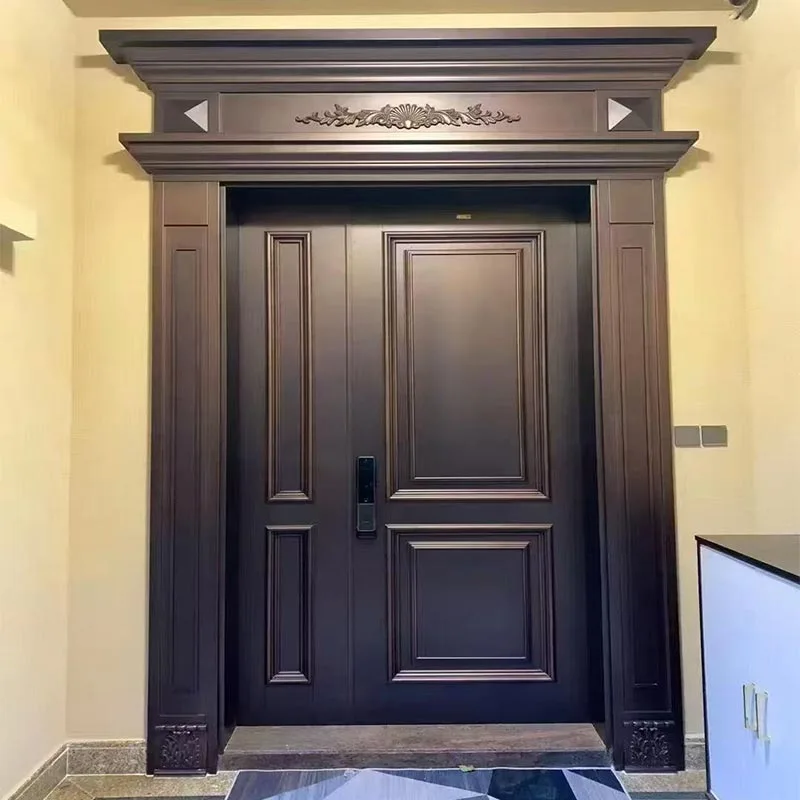
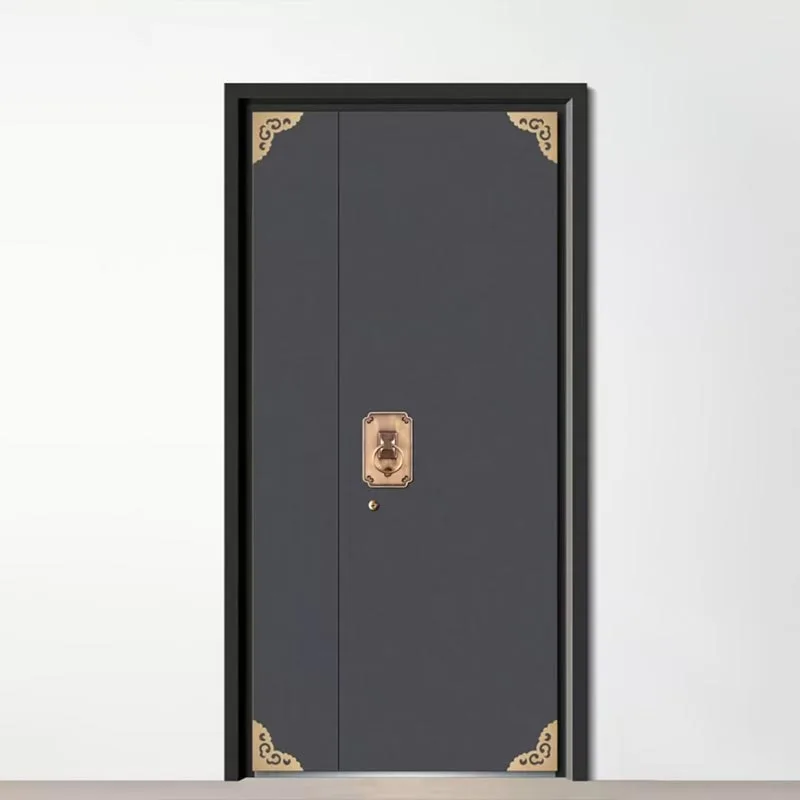
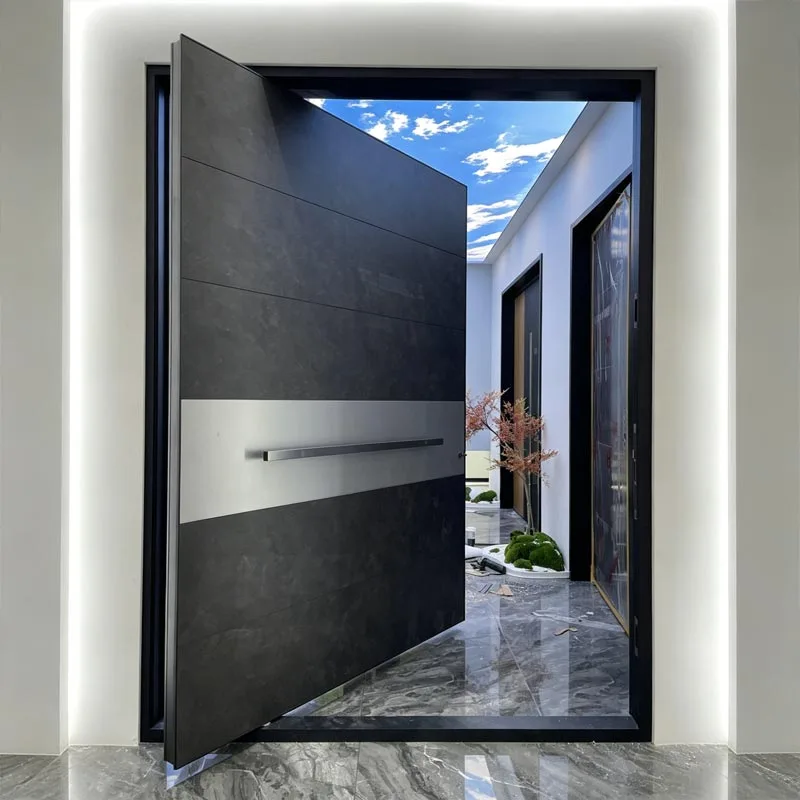
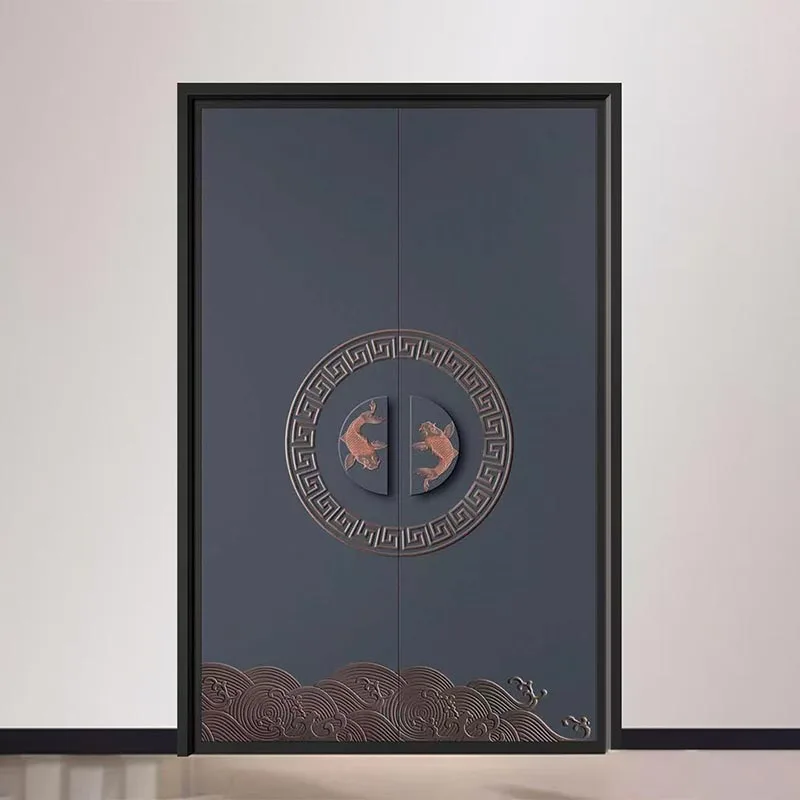
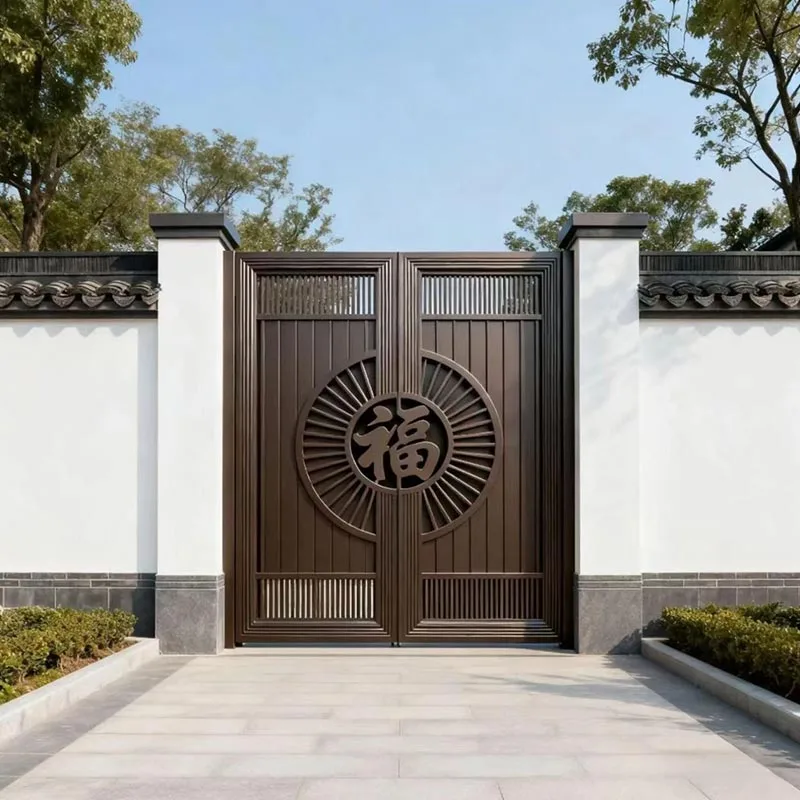
The old trade-off was security or good looks. On a villa you should refuse to choose. The security hardware — the reinforced leaf, the multi-point lock, the concealed hinges — lives inside the door, so a well-made security door can carry a fully decorative or carved face while protecting like a vault.
That is exactly how we build ours. Our security villa entry door keeps an ornamental face over a reinforced structure, and our concealed Class A anti-theft security door hides its hinges for both cleaner looks and less to attack. For apartments and quieter entrances, the silent anti-theft entry door adds a soft close. You can see the full range on our anti-theft door category.
Which Material Is Most Secure?
Security is mostly about construction and hardware, but material still matters for how the door holds up over years of exposure. For a villa entrance, this is the practical picture:
| Material | For a security door |
|---|---|
| Cast aluminum | Cast as a solid, reinforced leaf that won't rust — strong outdoors and takes carved detail. Compare it with cheaper alloys in our cast aluminum vs zinc alloy guide. |
| Copper-aluminum | A premium copper face over an aluminum structure — security with a high-end appearance. |
| Solid copper | Top-tier prestige; heaviest, so it pairs with robust hinges and frame. |
Whatever the material, the security still comes from the reinforced construction and the locking — a heavy door with a weak lock is not a secure door.
What to Ask a Supplier Before You Buy
These questions separate a genuine anti-theft door from a badge:
| Ask | Why it matters |
|---|---|
| What standard is the door tested to? | A tested rating is evidence; the word "anti-theft" is not |
| Is the locking multi-point? | Single-point locks are far easier to force |
| What cylinder grade, and is it protected? | The cylinder is a common weak point |
| Are the hinges anti-lift or concealed? | Stops the leaf being lifted off the frame |
| How is the frame fixed to the wall? | The strongest door fails in a weak frame |
How to Choose an Anti-Theft Door in 5 Steps
- Judge the leaf. Confirm it is a solid, reinforced structure, not a hollow shell.
- Insist on multi-point locking. With a protected, higher-grade cylinder.
- Check the hinges and frame. Anti-lift or concealed hinges, frame anchored into the wall.
- Ask for the tested standard. A verifiable rating beats the word "anti-theft" every time.
- Then choose the face. Pick the material and decorative style once security is settled.
Want a door that's secure and looks the part?
Tell us your opening size and the look you're after. We'll spec a reinforced leaf, multi-point locking and concealed hinges behind a decorative or carved face — measured, cast, finished and installed by one team.
Request a Tailored Quote or contact us →Frequently Asked Questions
What makes a door anti-theft?
An anti-theft door earns the name from four components working as a system: a reinforced leaf that resists being forced, multi-point locking with a protected cylinder, anti-lift or concealed hinges, and a frame anchored firmly into the wall. Security comes from the weakest link, so all four have to be right — the word "anti-theft" on its own means nothing.
What is the difference between an anti-theft door and an ordinary door?
An ordinary door usually has a lighter or hollow leaf, a single-point latch, a standard exposed cylinder and standard hinges. An anti-theft door has a reinforced solid leaf, multi-point locking, a protected higher-grade cylinder, anti-lift or concealed hinges, and a frame anchored into the wall. The difference is in the construction and hardware, not the appearance.
Are cast aluminum doors good for security?
Yes, when built as a reinforced security door. Cast aluminum can be cast as a solid, strong leaf that does not rust, which makes it durable outdoors and able to carry carved detail. The security still depends on the locking and construction, so a cast aluminum security door should also have multi-point locking and anti-lift or concealed hinges.
Can a security door still look decorative?
Yes. The security hardware — the reinforced leaf, multi-point lock and concealed hinges — lives inside the door, so a well-made security door can carry a fully decorative or carved face while still protecting strongly. On a villa you should not have to choose between security and appearance.
What lock is best for an anti-theft door?
Multi-point locking is the key upgrade: instead of a single latch, the door bolts into the frame at several points along the leaf, spreading the force an intruder must overcome. Pair it with a protected, higher-grade cylinder, since the cylinder is a common weak point. Ask the supplier to confirm both.
How do I check if a security door is genuinely secure?
Ask what tested standard the door meets, whether the locking is multi-point, what cylinder grade it uses and whether it is protected, whether the hinges are anti-lift or concealed, and how the frame is fixed to the wall. If a supplier cannot name these details and only repeats that the door is "anti-theft," treat the claim as marketing rather than evidence.
Zhejiang Ninghai Hongfeng Copper - Aluminum Door Co., Ltd. — cast aluminum, copper-aluminum, pivot and copper doors, including anti-theft and villa security doors, custom-made since 2007. Baiqiao Industrial Zone, Ninghai County, Ningbo, China.