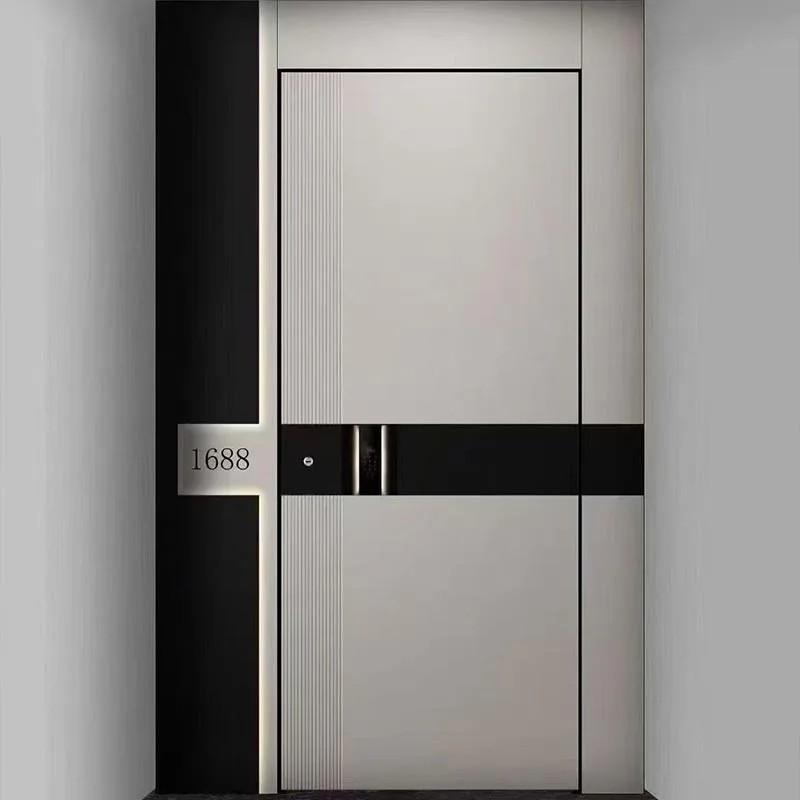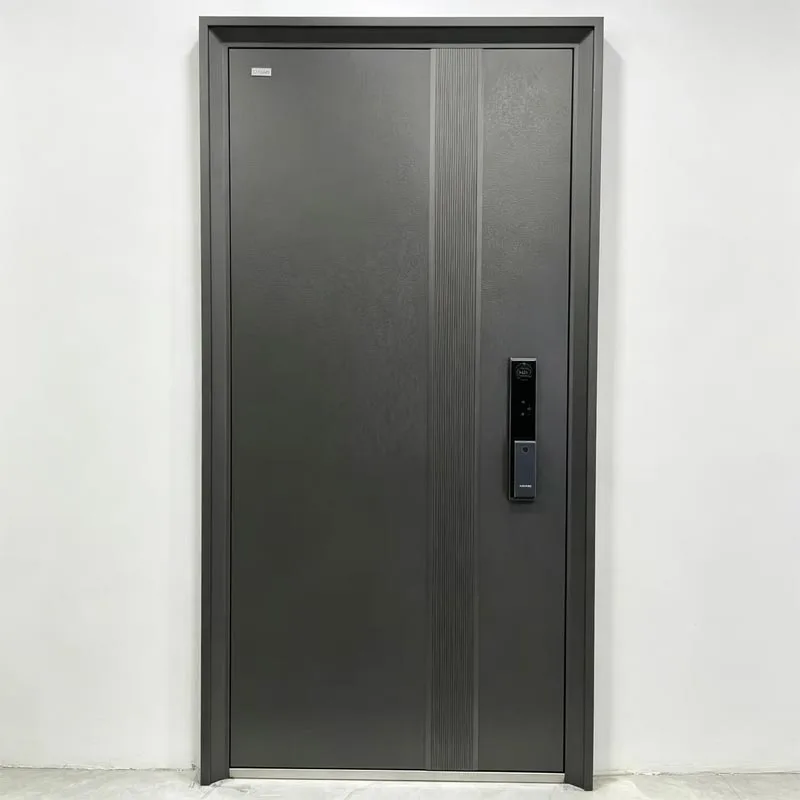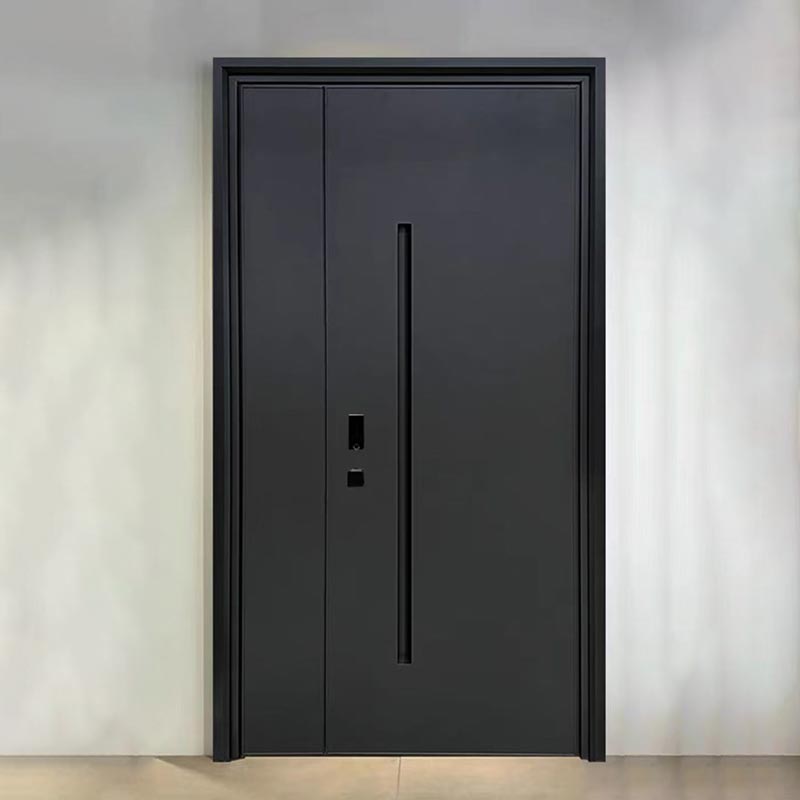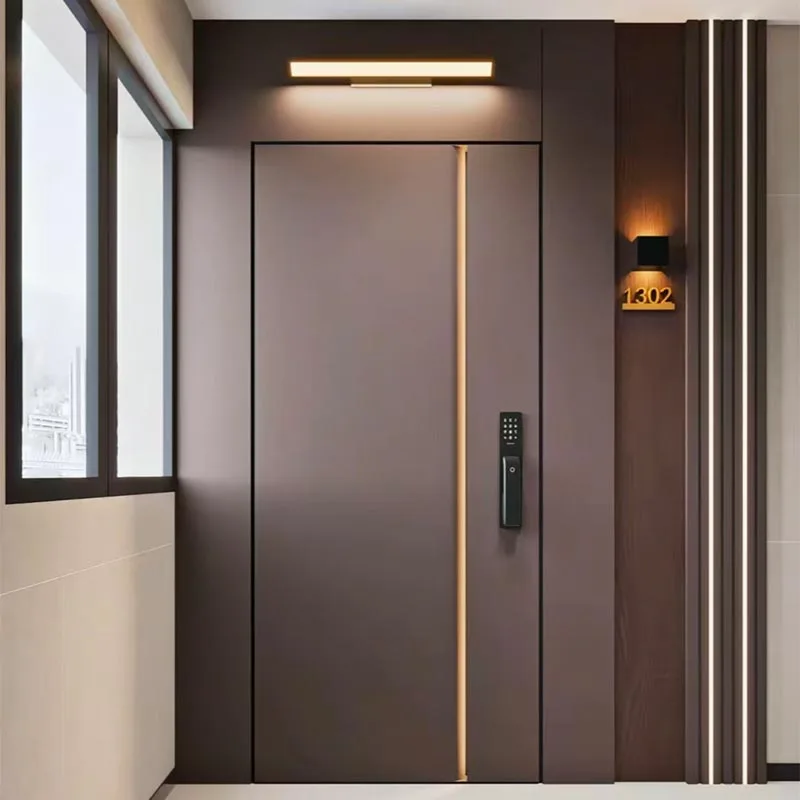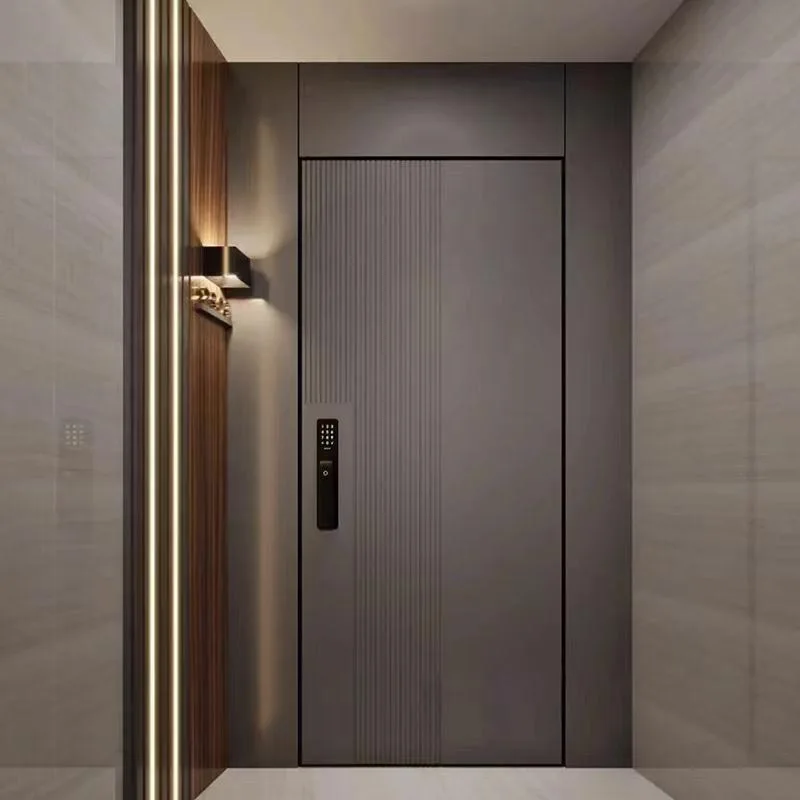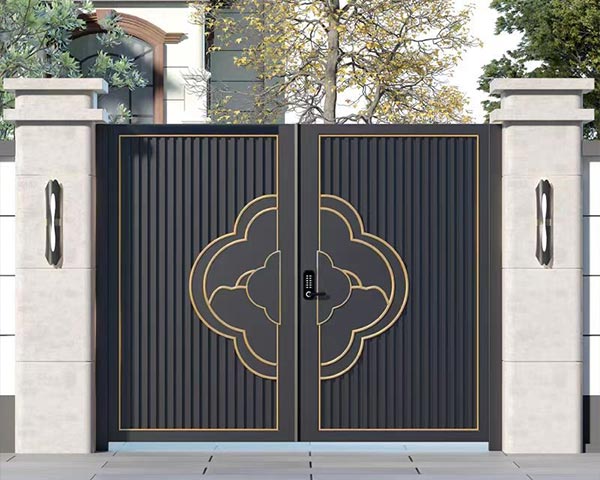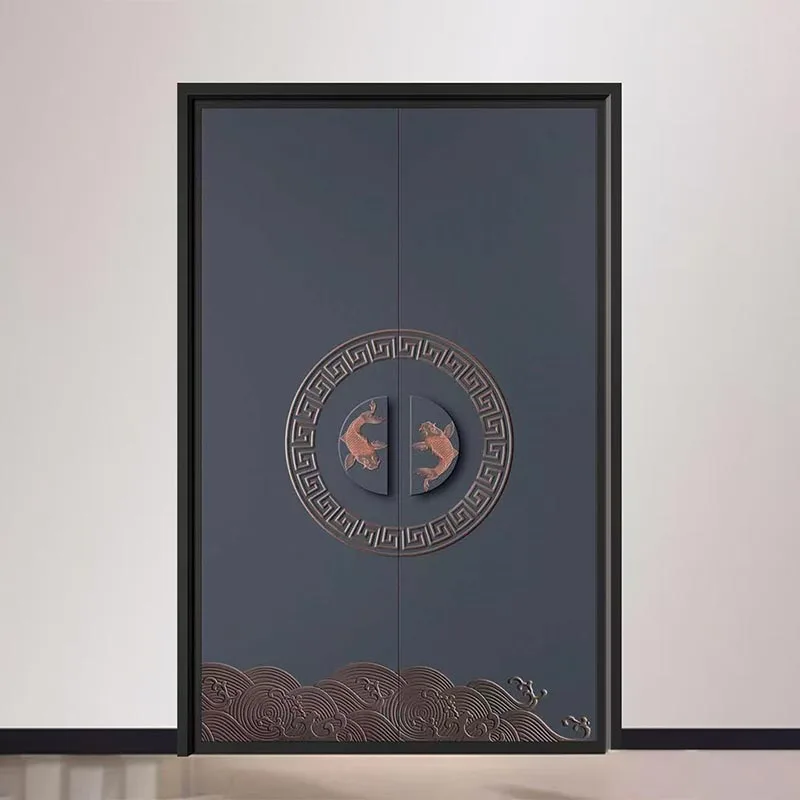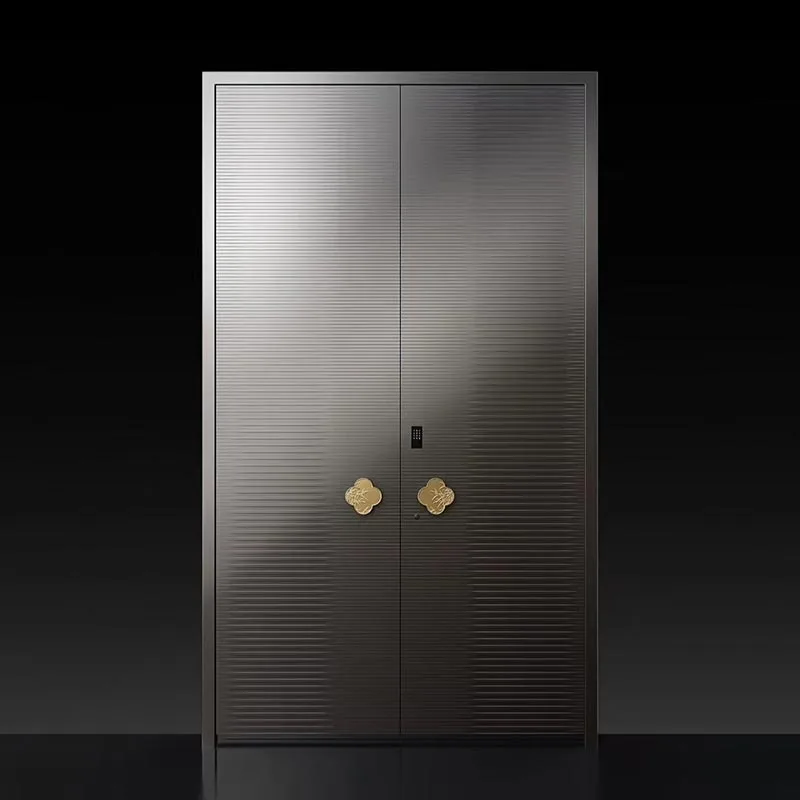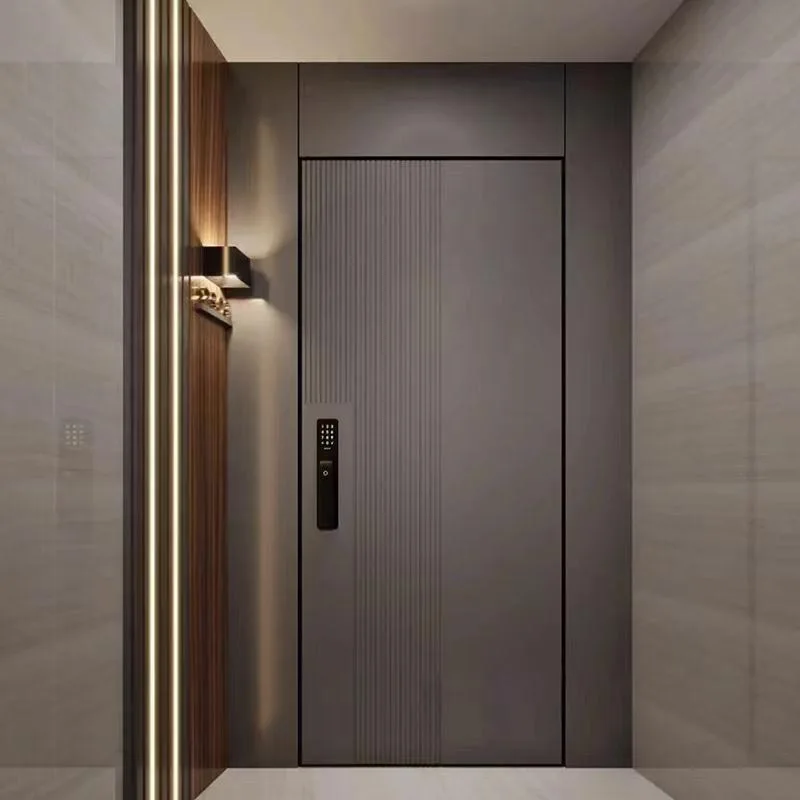

Quick Answer
A pivot door rotates on a vertical spindle set into the floor and frame head, not on side hinges. That lets it carry a much larger, heavier leaf and swing smoothly, which is why pivot doors suit grand, wide entrances. The trade-offs: a gap runs around the whole leaf so sealing matters, it needs a floor pivot or closer, and it costs more than a standard hinged door.
What Is a Pivot Door?
A pivot door hangs from a single point at the top and a single point at the bottom, turning on a vertical axis called the pivot. There are no side hinges fixing the leaf to a jamb. Instead, a pivot set — usually a floor unit and a top pin — carries the entire weight and controls the swing.
That one change in how the door is hung is the whole story. Because the load runs down a spindle into the floor rather than sideways through hinges, a pivot door can be far larger and heavier than a hinged door of the same build, and it still opens with a light push. It is the reason nearly every oversized, statement entrance you have seen is a pivot door.
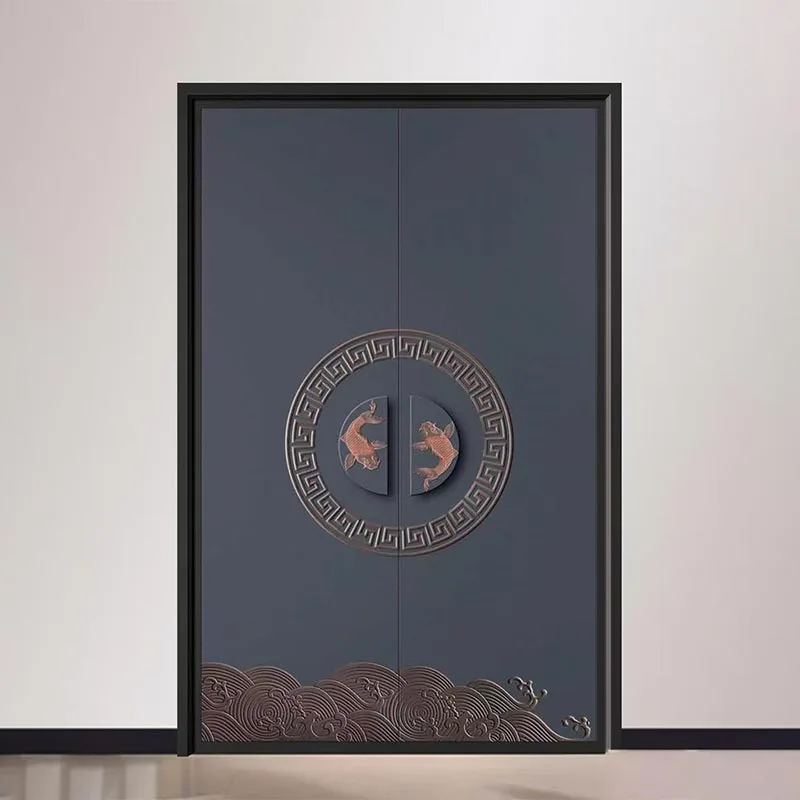
Pivot Door vs Hinged Door
Both are good doors; they solve different problems. Use this to place them:
| Pivot door | Hinged door | |
|---|---|---|
| Hung from | Floor + head pivot spindle | Hinges on the side jamb |
| Max leaf size | Large and heavy leaves | Limited by hinge load |
| Look | Architectural, statement | Familiar, understated |
| Swing | Can be set to swing one or both ways | Usually swings one way |
| Sealing | Needs a gap all round — sealing is a design task | Seals easily against the jamb |
| Cost | Higher (hardware + install) | Lower |
| Best for | Grand, wide entrances | Standard openings |
Center Pivot vs Off-Axis (Offset) Pivot
Pivot doors split into two layouts, and the difference changes how the door feels to use.
| Type | Where the pivot sits | Character |
|---|---|---|
| Center pivot | Near the middle of the leaf | Most dramatic; the door rotates with part of the leaf swinging outward and part inward. Maximum "wow", needs clear space both sides. |
| Off-axis (offset) | Set closer to one edge | Behaves more like a normal door with a wider clear opening. Easier to seal and to fit an everyday entrance. |
We build both. Our off-axis precision-carved pivot door is the choice when you want pivot presence on a working front entrance, while a center-pivot leaf leans fully into the statement. If you are unsure which fits your opening, our villa entrance door guide walks through matching the door type to the entrance.
Pros and Cons of Pivot Doors
| Advantages | Limitations |
|---|---|
| Carries large, heavy leaves a hinged door can't | Costs more than a standard hinged door |
| Smooth, effortless swing even at size | Gap around the leaf makes sealing a design task |
| Strong architectural, high-end statement | Needs a quality floor pivot / closer to last |
| Can be set to swing in either direction | Installation is more demanding and precise |
| Suits wide openings and tall façades | Center-pivot layouts need clear space both sides |
Where Pivot Doors Work Best
A pivot door earns its cost on the right opening and looks like overkill on the wrong one. A quick read:
| Setting | Good fit? | Why |
|---|---|---|
| Tall, wide villa main entrance | Yes | Only a pivot carries a leaf big enough to hold the scale |
| Double-leaf grand entrance | Yes | Our double pivot pairs two large leaves |
| Courtyard or garden entrance | Often | A courtyard pivot makes a wide, weather-facing statement |
| Standard-height front door | Maybe | An off-axis pivot works, but a hinged door may be simpler |
| Narrow or tight opening | No | No room to show the pivot's advantage |
What to Check Before You Choose One
Most disappointment with pivot doors comes from the parts you cannot see in a photo. Four things decide whether it performs for years:
The floor pivot and closer
This hardware carries the whole leaf and controls the swing. On a heavy door it is the single most important component — ask what pivot system a supplier uses and how it is rated.
Sealing
Because the leaf has a gap all around, weather performance depends on well-designed brush and gasket seals, not luck. A pivot door built with a proper multi-seal structure keeps out draughts and driven rain; a cheap one whistles.
Weight and material
The lighter the leaf for a given size, the less strain on the pivot over years of use — which is why material choice below matters more on a pivot than on a hinged door.
Security
A large leaf still needs proper locking. A quality pivot door can take multi-point locking so the door is as secure as it is dramatic — the same approach used across our German-style pivot designs.
Which Material Suits a Pivot Door?
Because leaf weight rides on the pivot, material is a practical decision as much as an aesthetic one:
| Material | On a pivot door |
|---|---|
| Cast aluminum | Lighter for its size and won't rust — an easy, durable choice for large pivot leaves, with room for deep carved detail. |
| Copper-aluminum | A premium copper face with an aluminum structure — the high-end look without a full copper weight penalty. |
| Solid copper | The top-tier statement; heaviest, so pair it with a pivot system built for the load. |
Thinking about a pivot entrance?
Send us your opening dimensions and a photo of the façade. We'll advise on center vs off-axis, recommend a material, and prepare a tailored design and quote — cast, finished and installed by one team.
Request a Tailored Quote or contact us →Frequently Asked Questions
What is a pivot door?
A pivot door is a door that rotates on a vertical spindle set into the floor and the frame head, rather than on side hinges. The pivot carries the weight of the leaf, which lets a pivot door be much larger and heavier than a hinged door while still opening smoothly.
What is the difference between a pivot door and a hinged door?
A hinged door is fixed to the side jamb with hinges, which limits how large and heavy the leaf can be. A pivot door hangs from a floor-and-head pivot instead, so it can carry a much larger leaf and make an architectural statement. The trade-off is that a pivot door has a gap around the whole leaf, so sealing is a design task, and it costs more than a hinged door.
What is the difference between a center pivot and an off-axis pivot door?
On a center pivot the spindle sits near the middle of the leaf, so part of the door swings outward and part inward — the most dramatic layout, needing clear space on both sides. On an off-axis or offset pivot the spindle sits closer to one edge, so the door behaves more like a normal door with a wide clear opening and is easier to seal for an everyday entrance.
Are pivot doors good for security?
Yes, when built properly. A large pivot leaf can take multi-point locking, so it can be as secure as it is dramatic. Security depends on the locking hardware and build quality rather than on the pivot mechanism itself, so ask what locking system a supplier fits.
Do pivot doors seal well against the weather?
A pivot door has a gap running around the whole leaf, so weather performance depends on well-designed brush and gasket seals and a quality floor closer. A pivot door built with a proper multi-seal structure keeps out draughts and driven rain; a poorly sealed one will let air and water through.
What material is best for a pivot door?
Because the leaf weight rides on the pivot, lighter materials are easier on the mechanism over time. Cast aluminum is light for its size and won't rust, making it a durable choice for large leaves. Copper-aluminum gives a premium copper look with an aluminum structure, while solid copper is the top-tier statement and should be paired with a pivot system built for its weight.
Zhejiang Ninghai Hongfeng Copper - Aluminum Door Co., Ltd. — cast aluminum, copper-aluminum, pivot and copper doors, custom-made since 2007. Baiqiao Industrial Zone, Ninghai County, Ningbo, China.