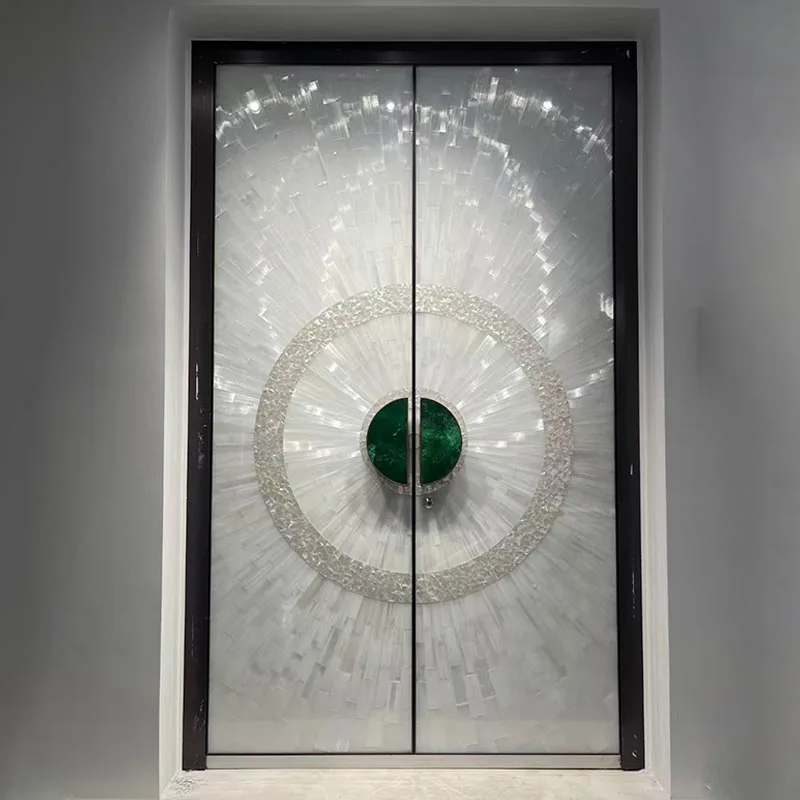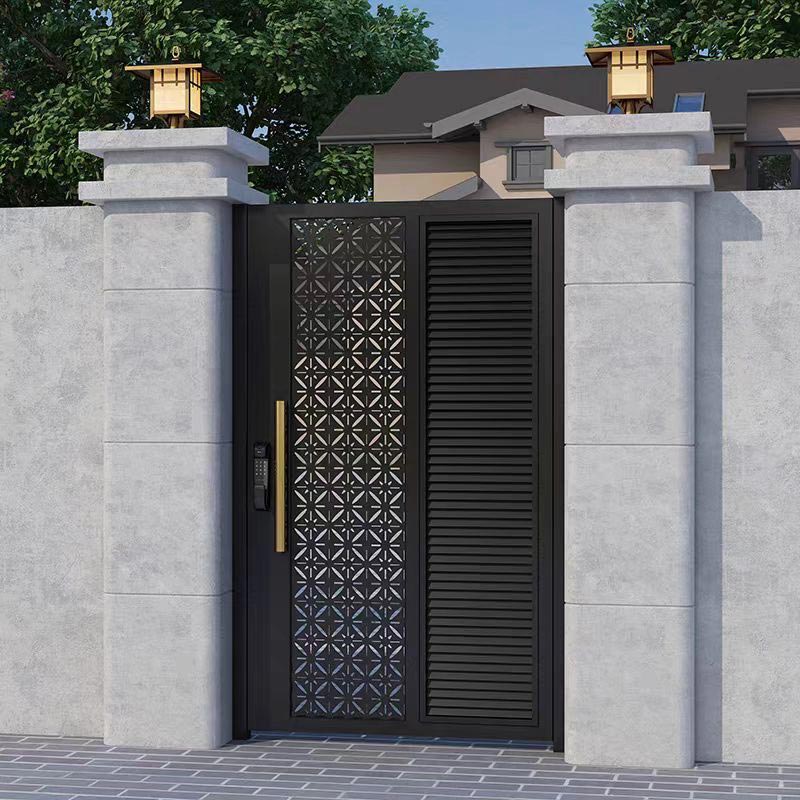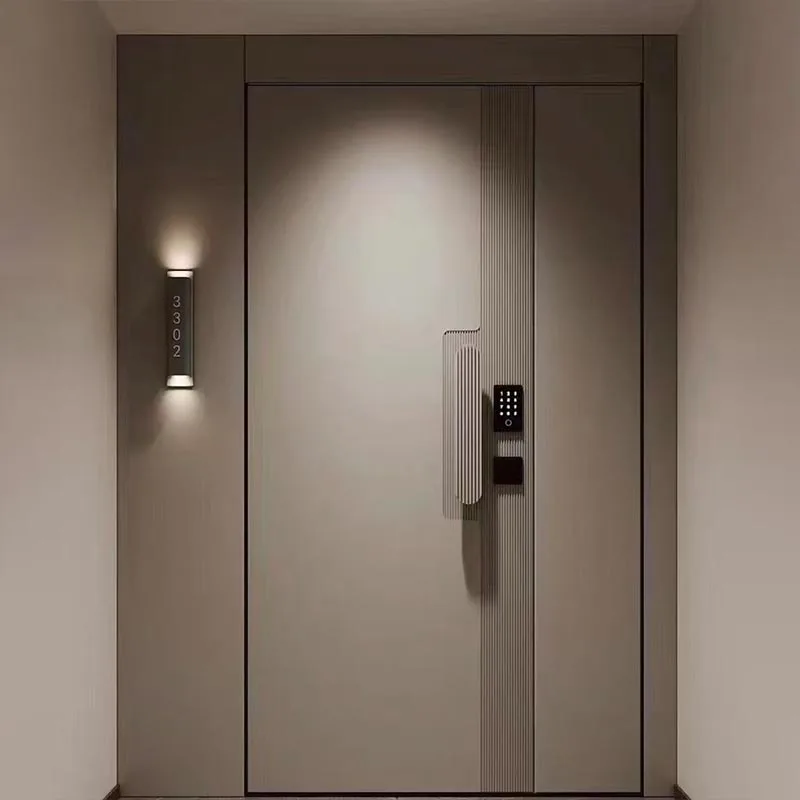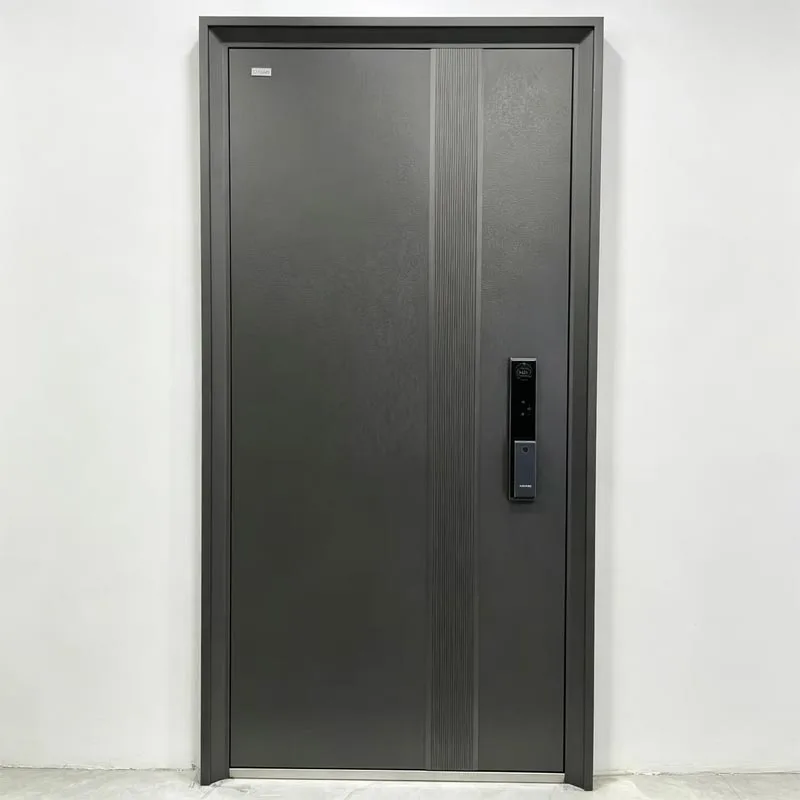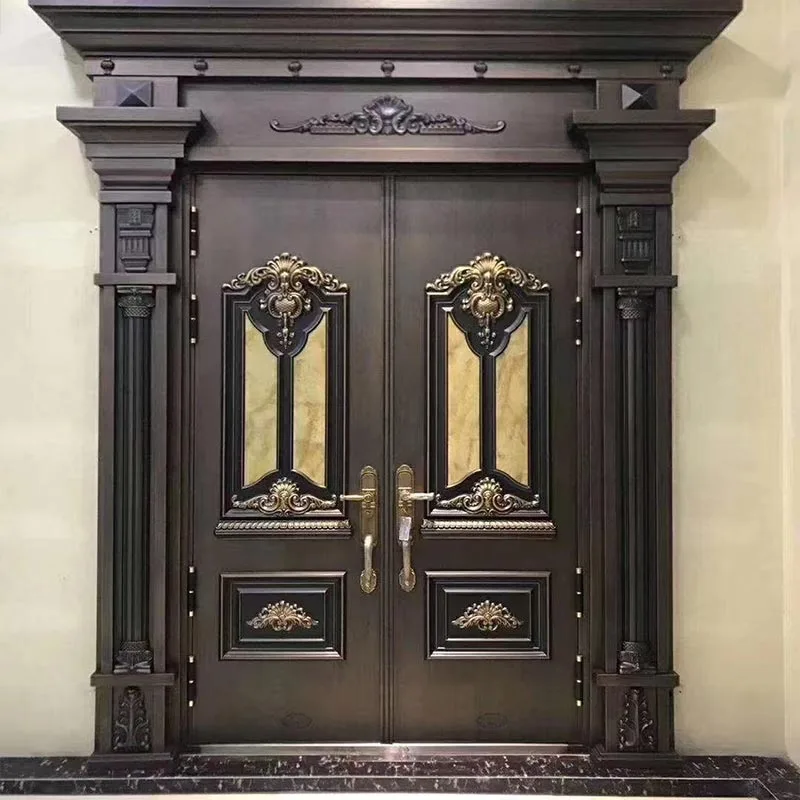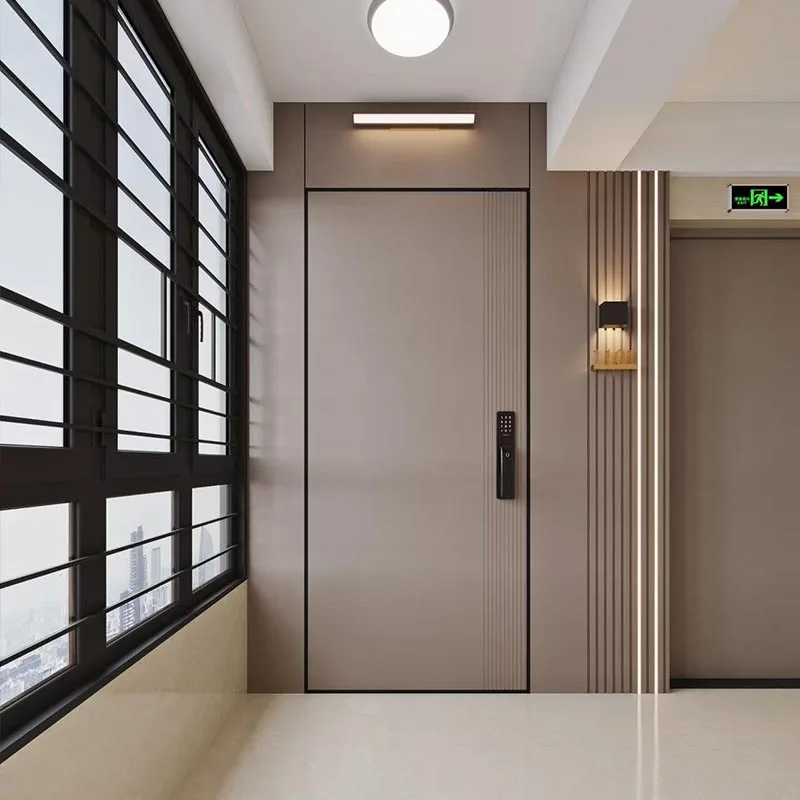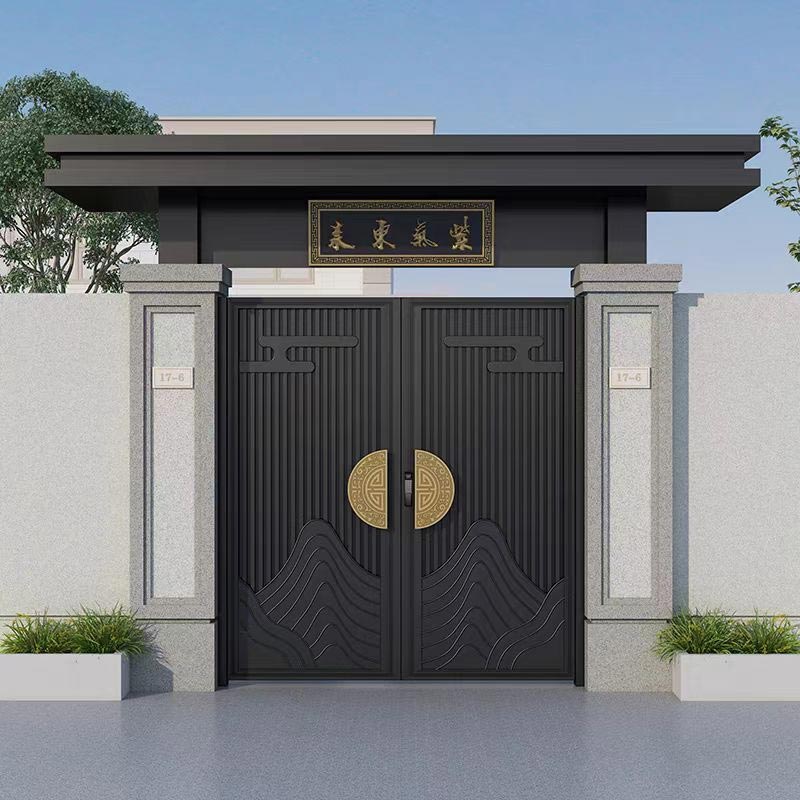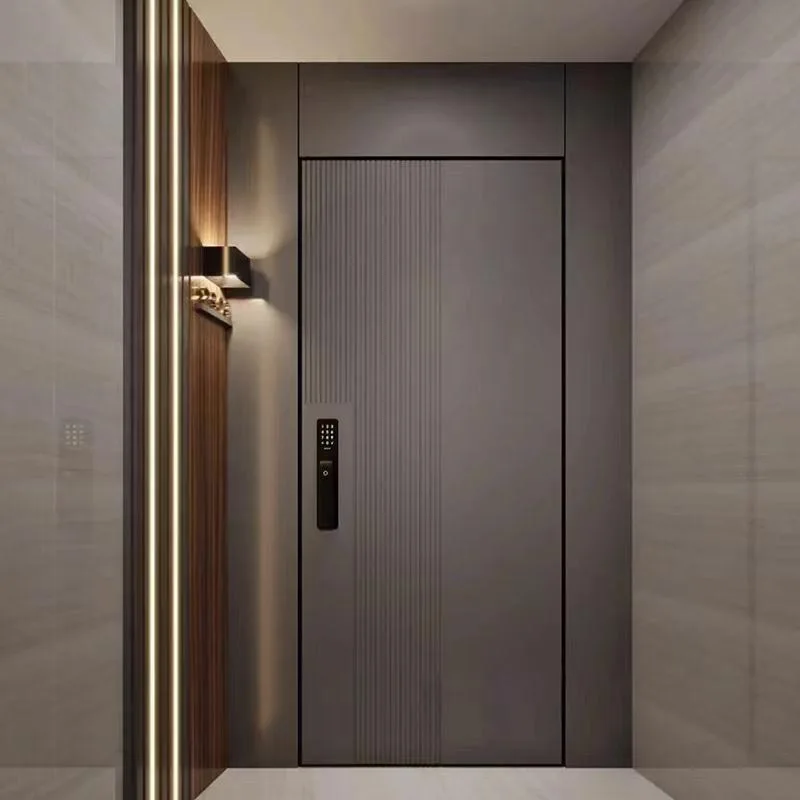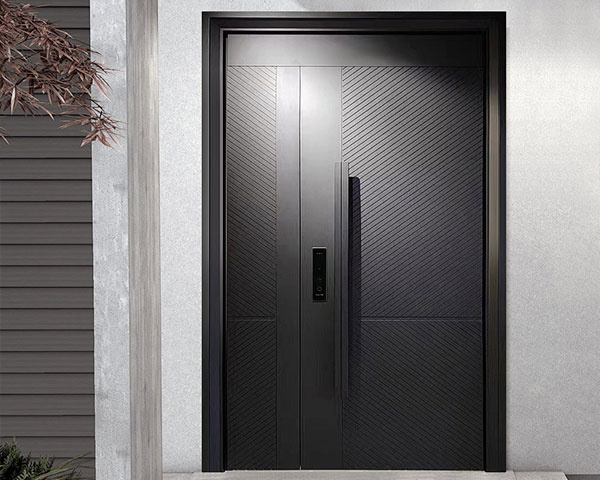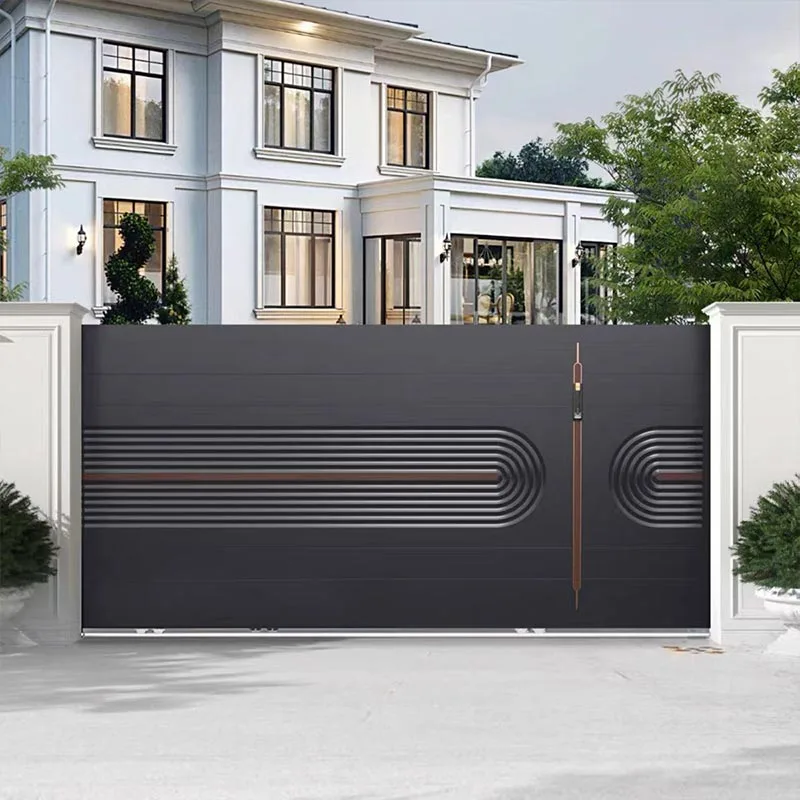

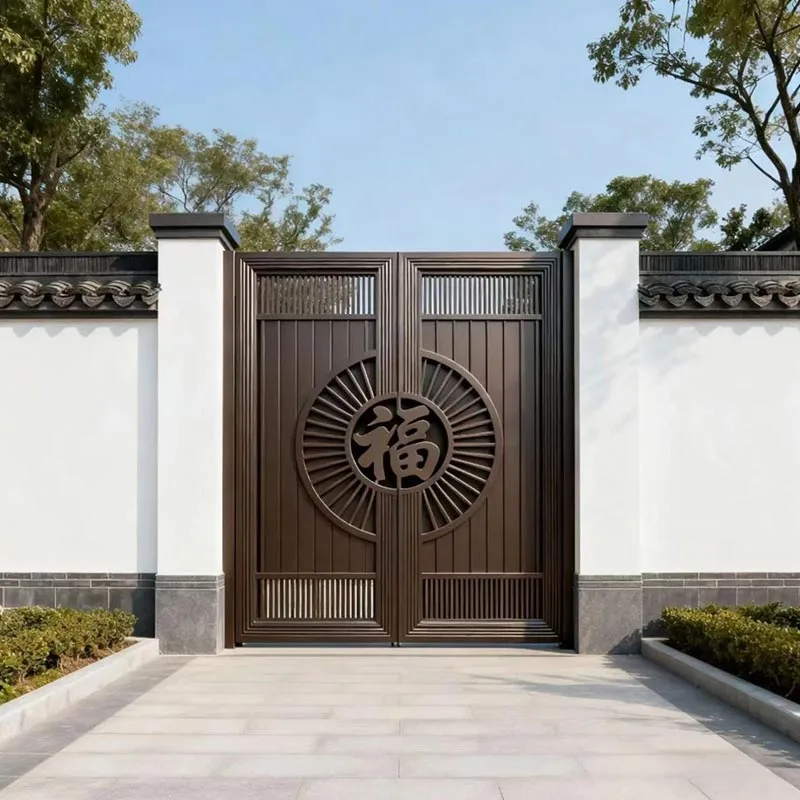
An accurate quote needs more than width, height and a reference photo. The manufacturer must know which dimensions are fixed, what the door has to do, which hardware is included and where delivery responsibility ends.
Two suppliers can receive the same opening size and quote two very different doors. One may include the frame, lock, glass, surface finish and export packing. The other may price only a basic leaf. A useful RFQ removes that ambiguity before prices are compared.
Send a project cover sheet, a door schedule, dimensioned elevations and sections, site photos, material and finish requirements, a hardware schedule, performance requirements, quantities, delivery location and the requested Incoterms rule with its named place. Mark every unknown as "supplier to propose" instead of leaving it blank. Ask the manufacturer to list exclusions, assumptions and deviations beside the quote.
Start by naming the quote level
A rough budget, a firm commercial offer and a production release do not need the same evidence. Problems begin when a budget number is treated as a production-ready price. Put the requested quote level in the first line of the RFQ.
A supplier cannot responsibly freeze every detail during a budget exercise. That is normal. The quote should separate confirmed scope from allowances and open items so the buyer can see what may change later.
Put the project context on one cover sheet
The cover sheet prevents drawings from being detached from their commercial context. Keep it short. One page is usually enough.
| Field | What to provide | Why the factory needs it |
|---|---|---|
| Project and market | Project name, city and country, building type and whether the door is residential, shared entrance, hospitality or another use. | Climate, code path, access pattern and documentation needs can change by location and occupancy. |
| RFQ status | Budget estimate, firm quote or production release, plus the required quotation date. | The factory can price at the right level of detail and state unresolved items. |
| Buyer contacts | Commercial contact, technical reviewer and the person authorized to approve drawings and samples. | Technical comments and price decisions often need different owners. |
| Door scope | Number of openings, door IDs, product families and whether frames, sidelights, transoms, hardware and installation are included. | A door leaf price cannot be compared with a complete entrance package. |
| Programme | Required drawing approval, production readiness, delivery and site installation windows. | The manufacturer can flag sequence conflicts without inventing a lead time. |
| Delivery basis | Destination, requested Incoterms rule and named place, transport mode and site unloading limits. | Freight scope, risk transfer, export packing and delivery access affect the offer. |
Use one row for every distinct door type
A door schedule is the control document for the RFQ. It does not have to be complicated. It does need a unique door ID that also appears on plans, elevations, hardware notes and room references.
| Schedule column | Minimum entry | Common source of error |
|---|---|---|
| Door ID and quantity | Unique tag, level or location, quantity and any mirrored pairs. | Combining visually similar doors that have different handing or hardware. |
| Opening data | Structural opening width and height, finished-floor level and wall build-up. | Calling a frame size or leaf size the "opening size." |
| Configuration | Single, double, mother-son, pivot, sidelight, transom or courtyard gate. | Giving only overall width without the active and inactive leaf split. |
| Handing and swing | Plan symbol, hinge or pivot side, pull side and inward or outward swing. | Using "left" without showing the viewing side or handing convention. |
| Material and finish | Door system, face material, frame finish, color reference and approved sample requirement. | Using a screen photo as the only color standard. |
| Hardware set | Lock, cylinder, handle, hinges, closer, bolts, access control and door contact. | Writing "standard hardware" when the project expects a specific function. |
| Performance | Weather exposure, thermal, acoustic, security, fire or accessibility requirement, with the governing document. | Requesting a performance label without defining the test method or complete assembly. |
If several openings share one type, list their locations separately. A seaside elevation and a sheltered courtyard may use the same design but need different hardware or coating details. The coastal and humid climate door guide explains which exposure notes belong in the specification.
Do not let one number mean five different things
Width and height are incomplete unless the reference is named. The RFQ should distinguish the structural opening, finished opening, installation clearance, outer frame size, leaf size and usable clear opening. Each one answers a different question.
The 2024 International Building Code, for example, measures clear width for a swinging door between the face of the open leaf and the frame stop when the door is open 90 degrees.1 Local rules vary, but the measurement lesson is universal: overall frame width does not prove the usable passage.
Send a dimensioned elevation and at least one head, jamb and sill section. Mark finished floor levels, wall finishes, threshold recess, frame position, drainage direction and adjacent stone or cladding. Include a plan for swing and handing. For wide entrances, use the single versus double entrance door guide to define the leaf split before the clear opening is checked.
Describe the door as a build, not a style name
Terms such as "luxury," "modern" and "heavy duty" do not define a construction. A quote-ready specification names the parts that affect material, machining, weight and finish.
- Door family: cast aluminum, copper-aluminum, copper, pivot or another specified system.
- Leaf construction and face treatment, including carving depth or panel profile where relevant.
- Frame type, visible width, wall position, anchoring condition and required covers or trims.
- Interior and exterior appearance, color reference, sheen, texture and sample approval method.
- Glazing type, visible size, privacy level, safety requirement and removable or fixed bead direction.
- Threshold, weather seals, drainage, overhang and exposure to rain, sun, humidity or salt.
- Sidelights, transoms, house numbers, LED details, mail slots or other integrated features.
- Interfaces with stone, render, insulation, waterproofing, floor finishes and nearby services.
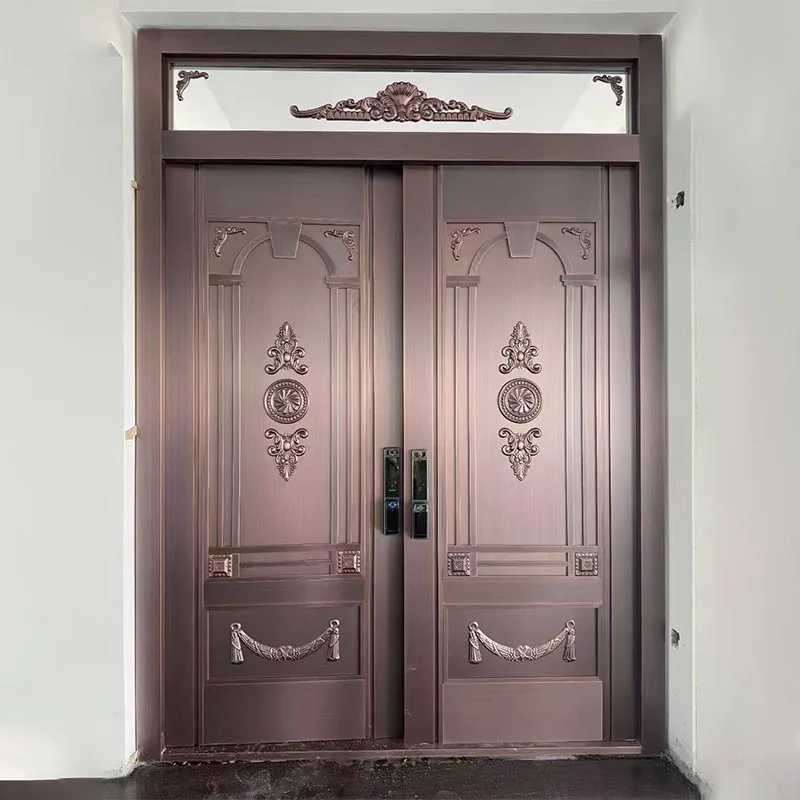
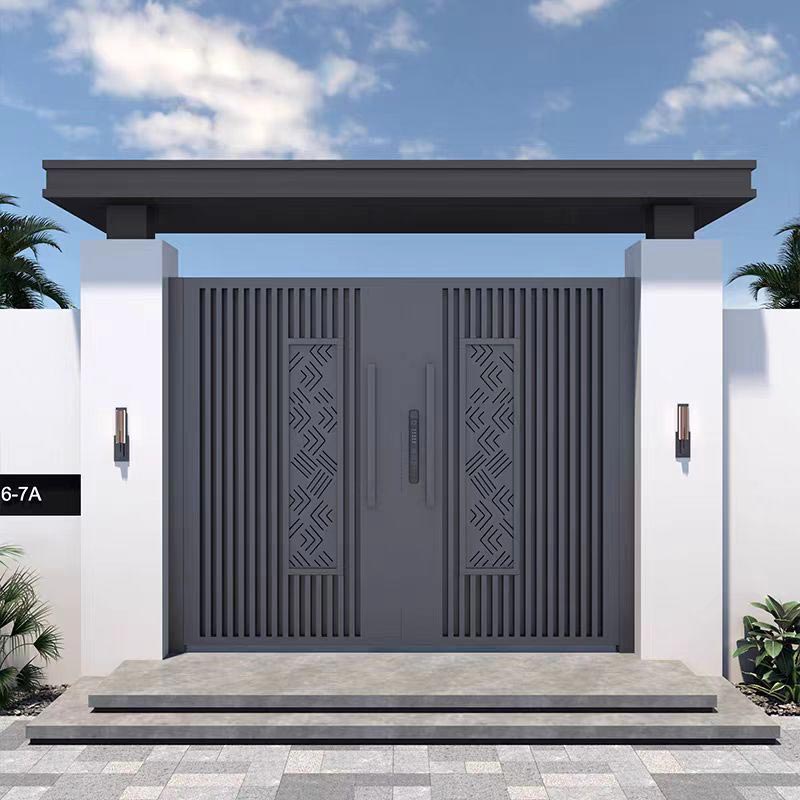
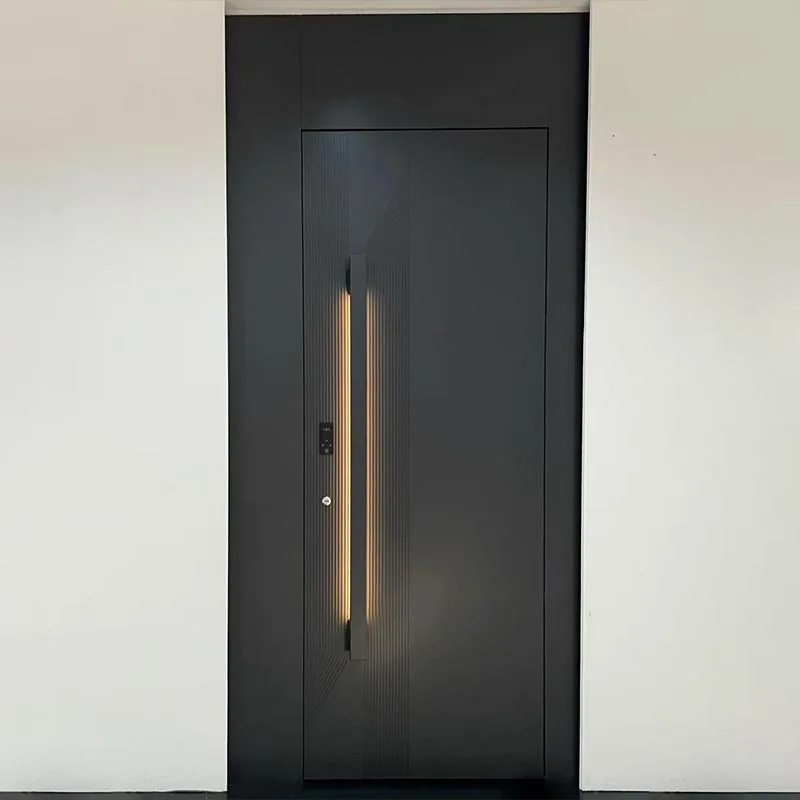
Reference photos are useful for proportion and visual intent. They are not technical drawings. Mark which elements you want to copy, such as the panel rhythm or handle position, and which can change. If material selection is still open, the luxury entrance door selection guide and thermal break door guide can help narrow the system before the RFQ is issued.
Give every hardware item an owner
State whether the door factory, buyer or site contractor supplies each hardware item. Then state who machines the door, installs the item and tests the final function. These responsibilities are often split.
The hardware schedule should identify the exact lock function, cylinder or keying requirement, pull or lever, hinge or pivot, closer, stops, flush bolts, door viewer, seals, access-control contacts and any power transfer. If the lock is not selected, give the required function and write "factory to propose". If it is selected, attach the current model-specific template. The smart lock compatibility guide lists the lock-case, backset, trim and wiring data needed before machining.
Ask for evidence that matches the quoted assembly
A performance requirement should have a property, target, test method, specimen scope and acceptance document. "Waterproof," "soundproof" or "fireproof" is too vague for supplier comparison.
For each required property, identify the governing project document or local rule. Ask the supplier to state whether the evidence covers the complete door assembly, a component, a similar construction or only a material sample. Record the laboratory, report identifier, tested size and configuration, result, date and any limitations. If the quoted door differs from the test specimen, ask for a written explanation of the difference.
Do not convert an unverified product-page phrase into a project requirement. Fire-rated openings deserve particular care because the door, frame, glazing, hardware and installation work as an assembly. A post-production change to hardware or machining may require evaluation; UL describes field evaluation as a route for reviewing certain modified door assemblies.2
Complete the commercial and delivery side
A technically complete door can still produce a misleading price if commercial boundaries are missing. Include currency, quotation validity request, quantity by type, sample requirement, spare parts, documentation language, packing marks and destination.
For cross-border orders, write the chosen Incoterms rule, version and named place, for example "Incoterms 2020, [rule], [named place]." The International Chamber of Commerce explains that the rules allocate delivery tasks, costs and risks between seller and buyer, but they do not replace the sales contract.3
Also define:
- whether freight, insurance, customs formalities and local delivery are included;
- crate size or weight limits, container constraints and any requirement for stackable packing;
- site access, crane or forklift availability and who unloads the crates;
- packing labels by door ID, level, room or installation sequence;
- required spare finish material, seals, keys, batteries or hardware;
- installation supervision, commissioning and user training scope;
- documents required before shipment, such as packing list, drawings, manuals, test records and photos.
Each RFQ field controls a production decision
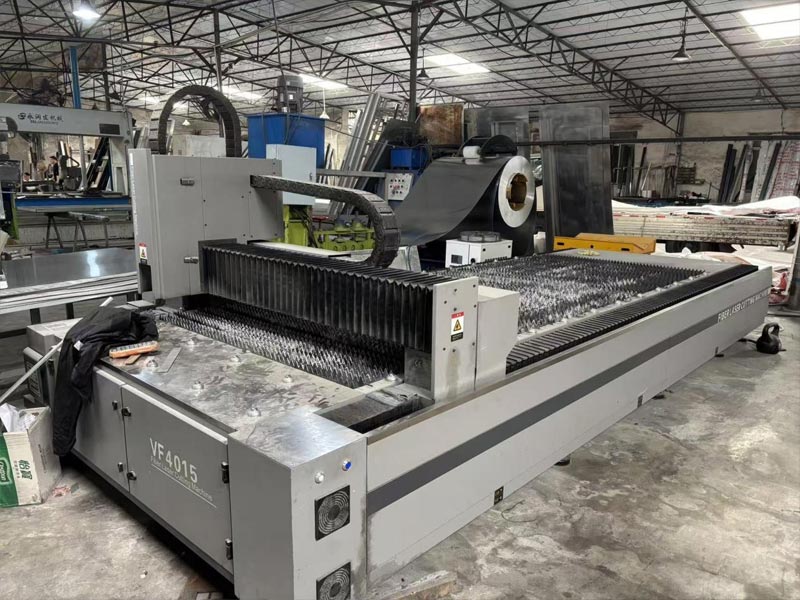
Hongfeng's service page says its pre-sales work covers measurement and design around size, material, style and smart features. The same page describes production tracking and installation support. Its Company Strength page lists shearing, bending, laser cutting, welding, spraying, assembly and engraving equipment.
Those public statements explain why an RFQ cannot stop at a rendering. Dimensions drive cutting and bending. Hardware drives reinforcement and machining. Surface references drive coating and sample approval. Quantity and destination drive packing. The factory still needs project-specific drawings and selected components before it can confirm compatibility.
Ask the quotation to show its assumptions
The best quote is not the one with the fewest notes. It is the one that makes its boundaries visible. Ask for a line-by-line scope response and a list of exclusions, alternatives and unresolved questions.
Copyable entrance door RFQ template
This short template is suitable for the email body or first page of an RFQ. Attach the schedule and drawings rather than forcing every dimension into the message.
Subject: RFQ | [Project] | [Number] custom entrance doors | [Country]

Quote level: [Budget estimate / Firm quotation / Production release]
Quotation due: [Date and time zone]
Project use and location: [Building type, city, country]
Door scope: [Door types, quantities, frames, sidelights, hardware]
Delivery basis: [Incoterms 2020 rule and named place]
Required delivery window: [Date or project stage]

Attached:
1. Door schedule, revision [ ]
2. Plans, elevations and sections, revision [ ]
3. Material and finish specification
4. Hardware schedule and lock templates
5. Performance and approval requirements
6. Site photographs and interface details

Please return:
1. Itemized price by door ID and quantity
2. Included scope, exclusions and assumptions
3. Proposed construction and finish description
4. Hardware make, model or stated allowance
5. Evidence available for required performance
6. Packing, shipping and installation scope
7. Drawing, sample and production sequence
8. Technical deviations and open questions
Frequently asked questions
What information is needed to quote a custom entrance door?
Provide the project location, door IDs, quantities, structural openings, configuration, handing, materials, finishes, hardware, performance requirements, drawings, site photos and delivery basis. State whether you need a budget estimate or firm quotation. Mark unknown details as supplier proposals and request written assumptions.
Can a door factory quote from a photo and opening size?
A factory can sometimes give a rough budget from that information, but the price will carry assumptions. A photo does not define the frame, leaf construction, finish standard, hardware, threshold, glazing, packing or delivery scope. Do not compare a photo-based budget with a fully specified quotation as though they cover the same product.
Which door dimensions should be included in an RFQ?
Include the structural opening, finished opening, wall thickness and finishes, finished-floor level, frame position, threshold recess and required clear opening. Show the active and inactive leaf widths for double doors. State the unit and reference point for every dimension.
Should the smart lock be selected before requesting a door quote?
It is best to select the exact model before the firm quotation because its lock case, backset, trim, wiring and multipoint requirements affect machining. If selection is not final, define the required function and ask the factory to state a hardware allowance and the conditions for later approval.
How should buyers compare quotations from door manufacturers?
Normalize the offers by door ID, quantity, construction, finish, hardware, performance evidence, packing, freight basis and services. Review exclusions and deviations before the total price. A lower number may exclude the frame, lock, export crate, delivery or installation support.
When is a custom door ready for production?
Release production after site dimensions, door schedule, shop drawings, handing, hardware, finishes, samples, interfaces and commercial scope are approved under one revision. Any remaining provisional item should have a named owner and deadline. A quotation alone is not a production instruction.
- International Code Council, 2024 International Building Code, Chapter 10. Used only for the cited clear-opening measurement example. The project's adopted code controls.
- UL Solutions, Fire Door Inspection and Field Evaluation Programs. Used for the caution about modifications to rated door assemblies.
- International Chamber of Commerce, Incoterms Rules. Used for the scope of delivery tasks, costs and risks covered by Incoterms rules.
Hongfeng first-party pages reviewed: Company Profile, Our Service, Company Strength, Products and Copper-Aluminum Door. Company claims are presented as published statements, not independent proof of project performance.
Send one package that can be quoted and checked
Attach the cover sheet, door schedule, drawings, hardware and delivery requirements under one revision. Hongfeng can then identify missing inputs, state assumptions and review the custom entrance scope before production drawings begin.
Send your entrance door RFQ