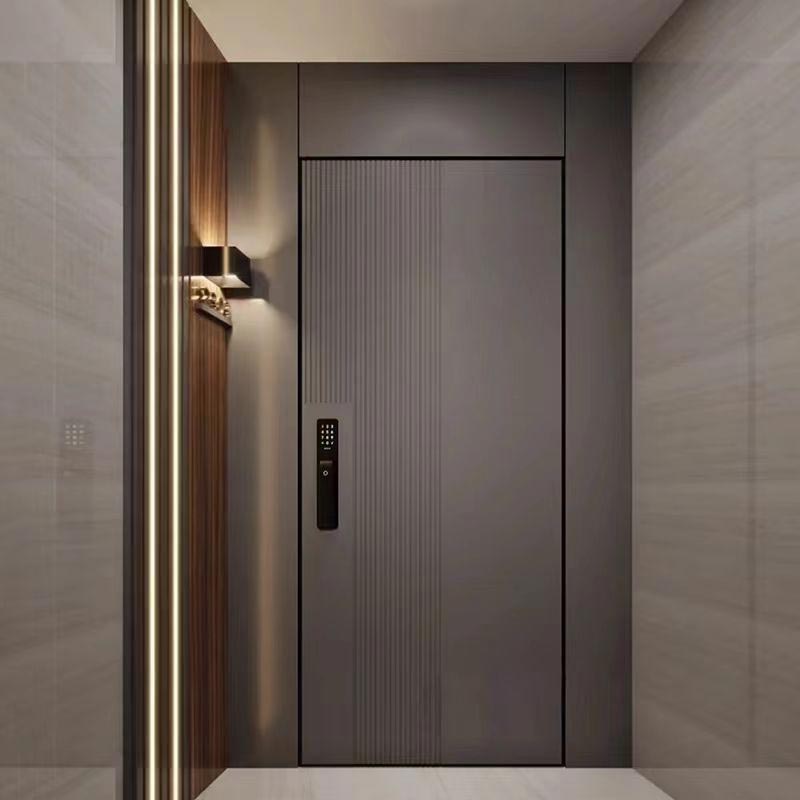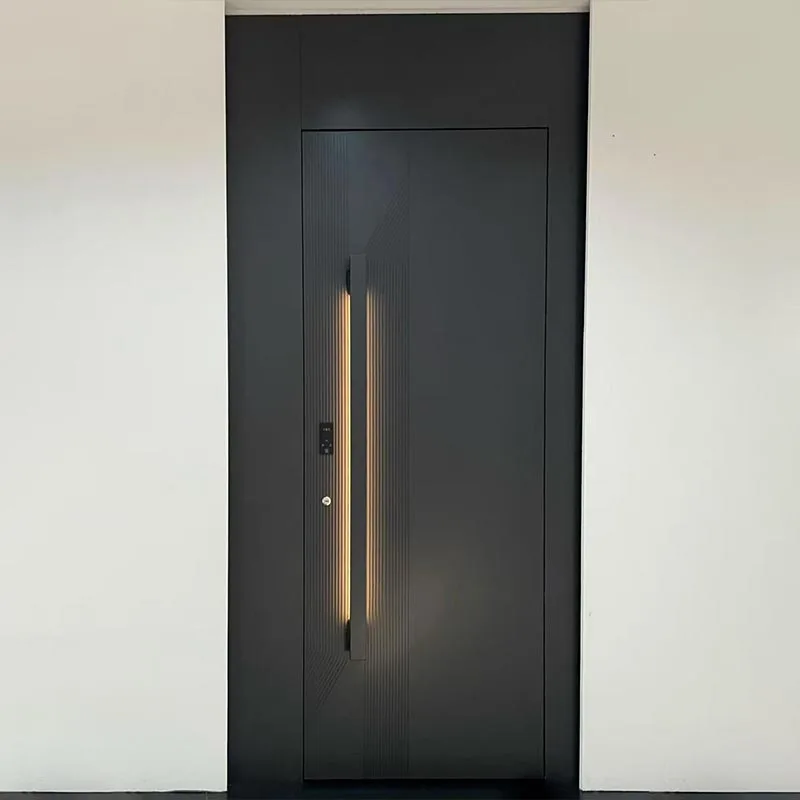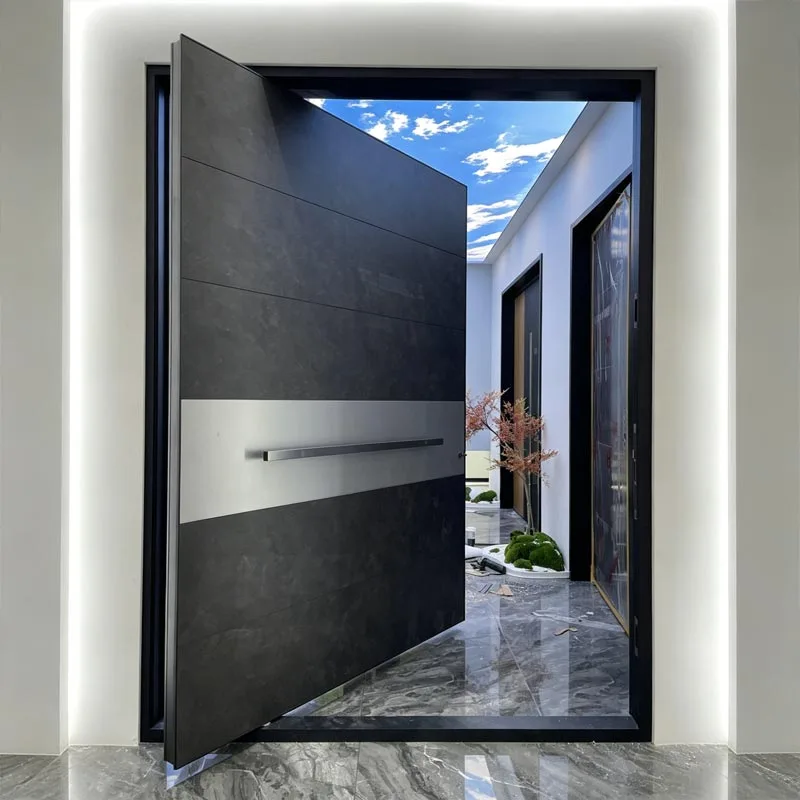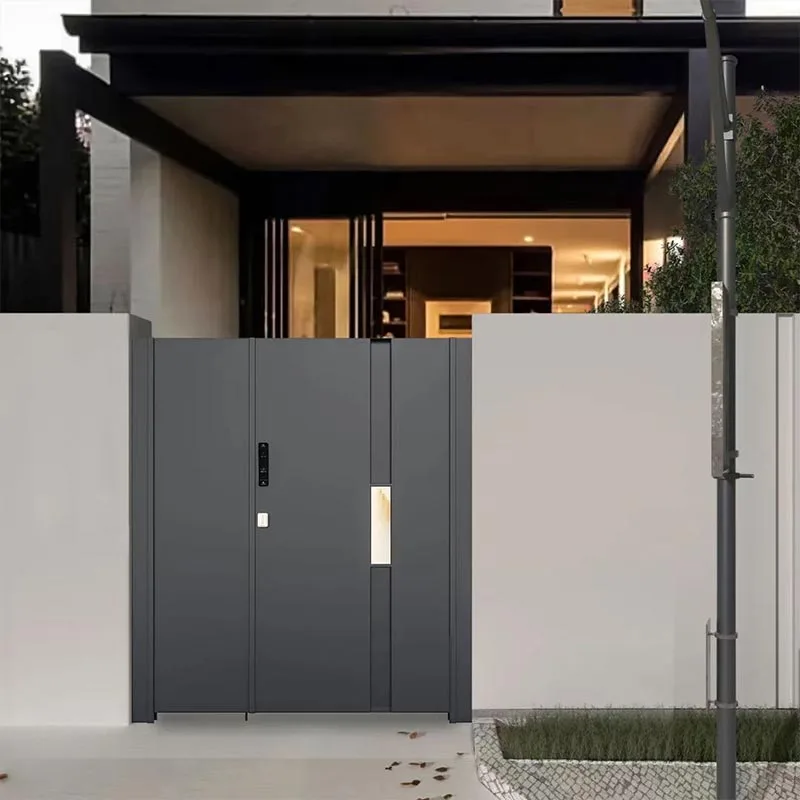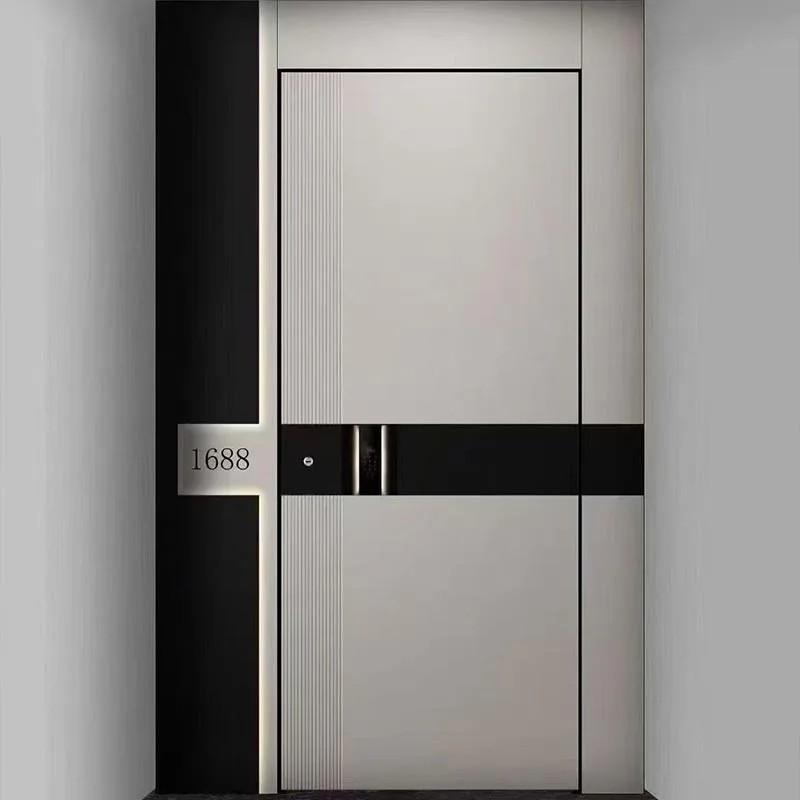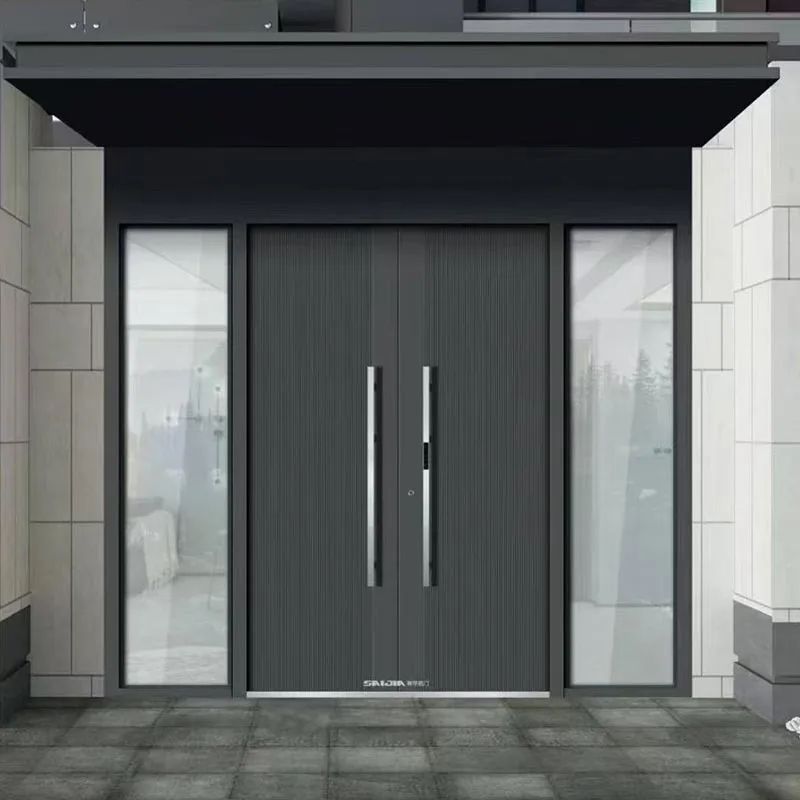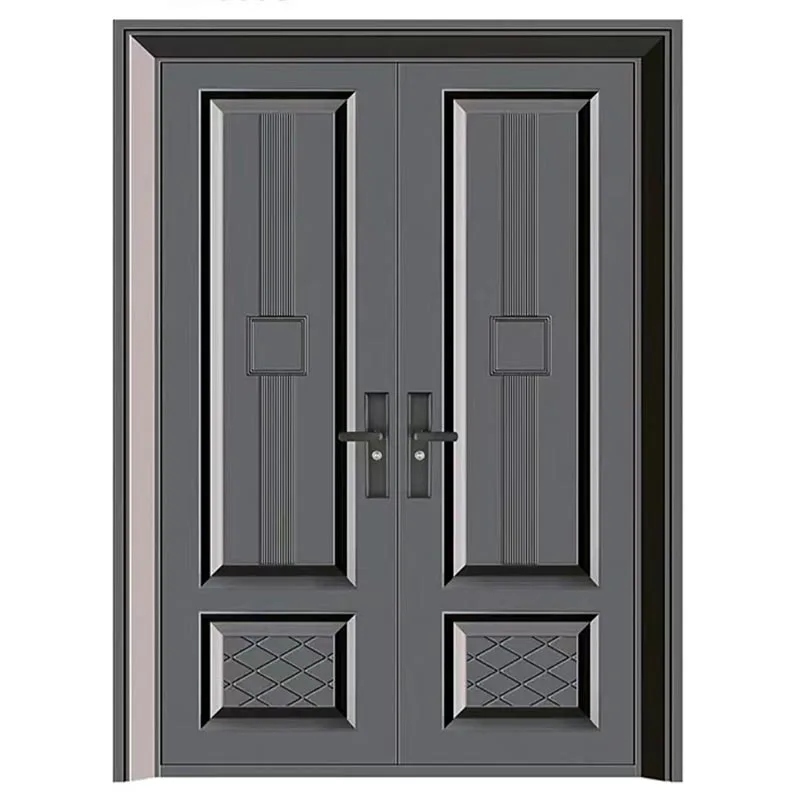

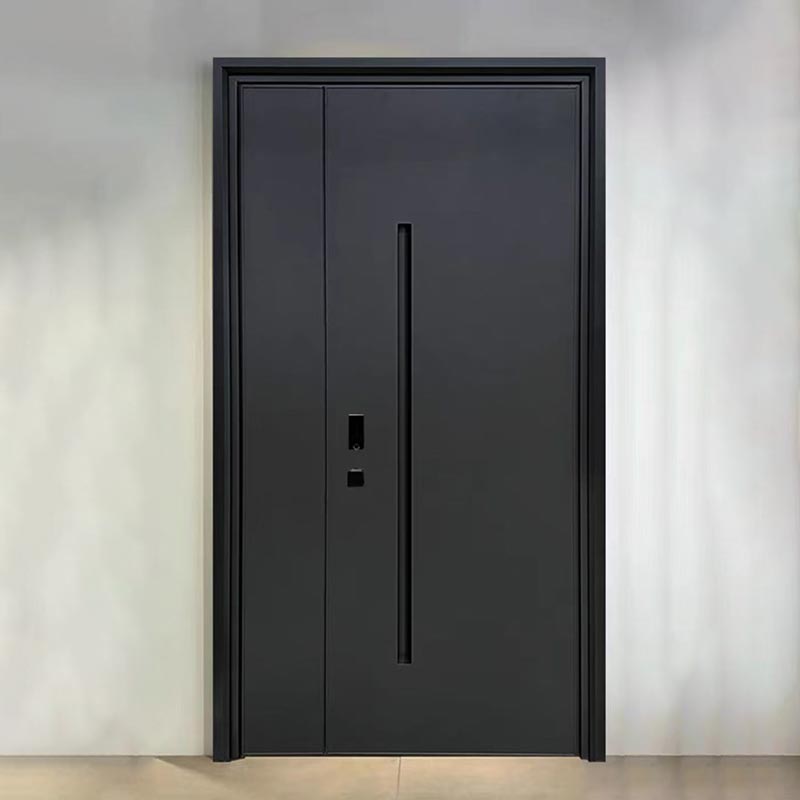
A thermal break interrupts the metal path between exterior and interior surfaces. It can reduce conductive heat flow, but only when the frame, leaf, sill, glazing, seals and installation joint work as one assembly.
A thermal break door is a metal entrance door with a low-conductivity separator between metal parts that would otherwise connect the cold side to the warm side. The detail matters most where a door separates conditioned indoor space from outdoors. It matters much less on a decorative gate with outdoor air on both sides.
Specify a thermal break when the entrance sits in a meaningful indoor-outdoor temperature difference, when interior condensation is a design concern, or when the project requires a whole-door thermal value. Do not approve the door from the phrase "thermal break" alone. Ask for a section drawing, the material and position of the separator, the complete assembly U-factor, air-leakage evidence, glazing data and the installation detail.
What a thermal break actually changes
Aluminum and other metals conduct heat readily. If one continuous metal profile runs from the exterior face of the frame to the interior face, that profile becomes a direct heat path. A thermal break divides the profile and reconnects the two sides with a material that conducts far less heat.
Simplified profile concept. The actual geometry, structural connections and drainage paths must come from the approved door section.
The separator is not insulation pasted onto a finished frame. It is part of the load-carrying profile. Its geometry must keep the exterior and interior metal zones apart while the assembled frame still carries the leaf, lock loads, wind loads and installation forces.
Hongfeng's company-strength page describes a thermal-break armored-door patent that joins aluminum alloy with PA66 nylon. That is useful first-party design information, but the page does not show the patent number, section dimensions or a measured thermal result. A project submittal should include those details if they are required by the specification.4
The separator is only one part of the door
A good profile can sit inside a weak assembly. Heat and air take the easiest available path, so buyers should review each transition rather than one highlighted strip in a sales drawing.
| Assembly area | What to inspect | Typical mistake |
|---|---|---|
| Door frame | Continuous separation at the head, jambs and sill | A broken profile appears at the jamb but a metal connector bridges it at another section |
| Door leaf | Panel build-up, perimeter construction, edge profiles and reinforcement | The insulated center panel is quoted as if it were the whole door |
| Threshold | Thermal path, drainage, accessible height and weather seal | A solid metal threshold reconnects interior and exterior zones |
| Glazing | Glass make-up, spacer, frame junction and glass area | Low-emissivity glass is added, but the glass edge and frame remain weak |
| Locks and hardware | Reinforcement plates and fasteners that cross the profile | Large steel parts bypass the thermal separator without being assessed |
| Installation joint | Frame-to-wall insulation, membranes, sealant and anchors | A thermally improved door is installed into an uninsulated perimeter gap |
This is why a door-size schedule should distinguish frame size, rough opening and clear passage. The thermal detail also needs the wall thickness and finished-floor level. Without those dimensions, the factory cannot coordinate the sill and perimeter joint correctly.
When a thermal break door is worth specifying
Strong reason to specify it
The door is part of the insulated envelope and separates heated or cooled rooms from outdoors. The project also has a large temperature difference, a condensation-control target, a low whole-door U-factor requirement, or extensive metal framing.
Check the boundary first
The door opens from one unconditioned space to another, or it is a freestanding courtyard gate. In that case, corrosion resistance, drainage, wind exposure, hardware and security may matter more than thermal separation.
Cold climates and condensation risk
When outside metal becomes cold, a continuous metal path can pull the interior frame temperature down. If the room-facing surface falls below the local dew point, water can form on the frame. Lower heat transfer and better interior surface temperatures can reduce that risk, but indoor humidity, air leakage and installation details still affect the result.
Hot climates with conditioned interiors
The heat-flow direction reverses, but the path remains. A thermally separated metal frame can reduce conductive gains into an air-conditioned interior. For glazed doors, solar heat gain also matters, so the glass specification cannot be separated from the frame decision.
Oversized metal entrances
Large leaves, sidelights and transoms increase the area and number of junctions that need coordination. The project team should review thermal performance together with leaf weight, opening configuration, hardware capacity and daily clear width. The related single versus double entrance door guide explains those configuration trade-offs.
When a thermal break label does not solve the problem
A thermal break will not correct air leaking through poorly compressed seals. It will not repair a sill with no drainage path, and it cannot compensate for a large uninsulated gap between the frame and wall. These problems often feel like "poor insulation" to the occupant, but they need different fixes.
The label also does not prove code compliance. A brochure can describe a cavity, insulating strip and multiple seals without providing a whole-door rating. Treat the construction description as a design lead. Treat a named test method and report for the quoted configuration as performance evidence.
Use whole-door evidence, not center-panel claims
The U-factor reports heat flow through an assembly. A lower value means less heat transfer. The National Fenestration Rating Council evaluates doors through standardized methods that can include U-factor, air leakage and condensation-related ratings.5
For a metal entrance door, ask whether the quoted value covers the exact leaf, frame, threshold, glass configuration and size. A center-panel value is not directly comparable with a whole-product value because it leaves out the frame, edges, sill and junctions.
| Evidence | Question it answers | What must match your order |
|---|---|---|
| Whole-door U-factor | How much heat passes through the complete tested or simulated assembly? | Door size, leaf, frame, sill, glazing and configuration |
| Air-leakage result | How much air passes through joints under stated pressure conditions? | Seal system, opening type, hardware and specimen size |
| Condensation rating or analysis | How resistant are interior surfaces to moisture or frost under stated conditions? | Indoor and outdoor conditions, frame and glass build-up |
| Section drawing | Where is the metal path interrupted? | Head, jamb, sill, meeting stile and hardware penetrations |
| Report and standard number | Who evaluated the product and by what method? | Product family, laboratory, date and configuration scope |
Climate changes the target. The U.S. Department of Energy advises buyers to identify the climate zone first and then specify suitable U-factor and, where glazing is present, solar heat gain values.6 The local code consultant or architect should set the project requirement. A factory should not guess it from the destination country alone.
What Hongfeng currently publishes about its thermal-break doors
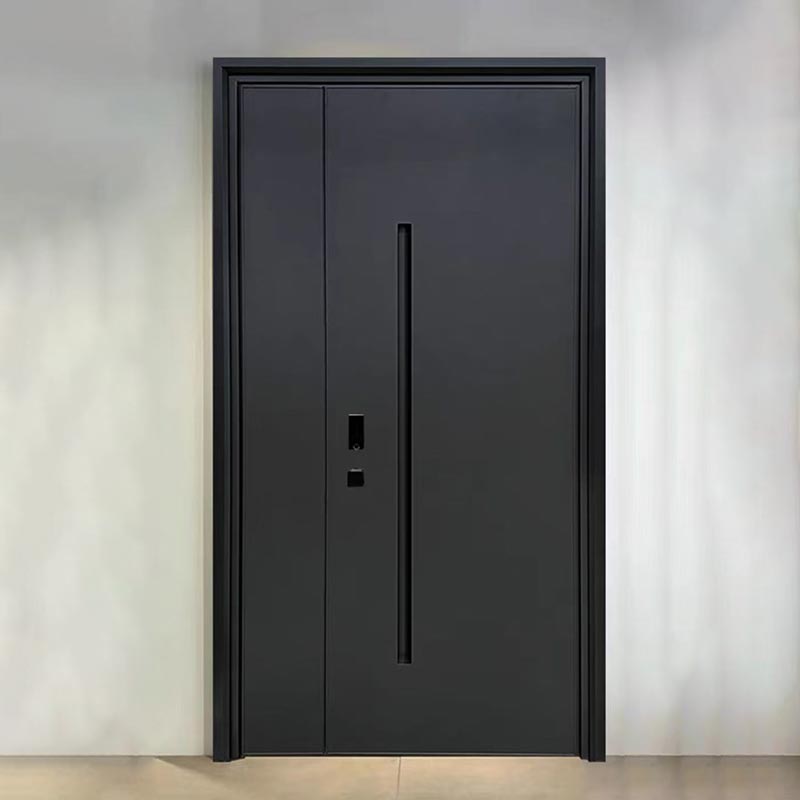
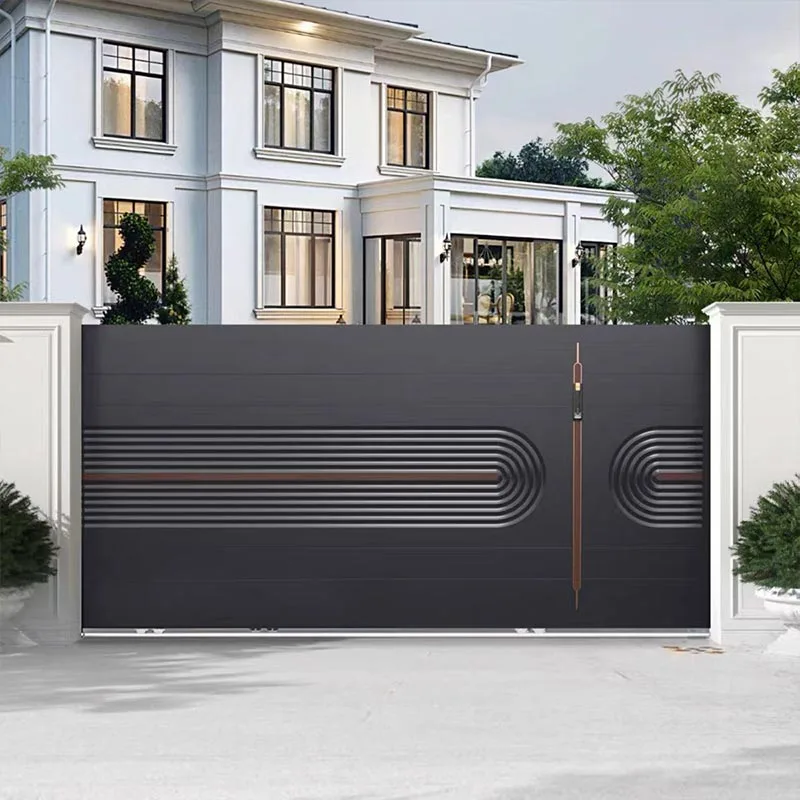
We reviewed three current Hongfeng product pages for this article. They provide useful construction clues, but none of the reviewed pages publishes a numeric whole-door U-factor, a named thermal test standard or a downloadable thermal report. That does not show the products failed a test. It means a buyer cannot verify or compare thermal performance from the public page alone.

| Public first-party detail | What it helps confirm | What still needs a submittal |
|---|---|---|
| Thermal-break cavity or profile | The product is presented with an interrupted metal construction | Section geometry, separator material and every continuous metal connection |
| Double or multi-layer seals | The product includes a stated air and weather sealing strategy | Seal locations, compression, corners and air-leakage result |
| Factory inspection statements | The pages describe checks during forming, assembly, coating and final testing | Inspection record, acceptance criteria, standard and measured result |
| PA66 and aluminum patent description | The company publishes a specific material pairing for one patented structure | Patent number, applicable models and performance report |
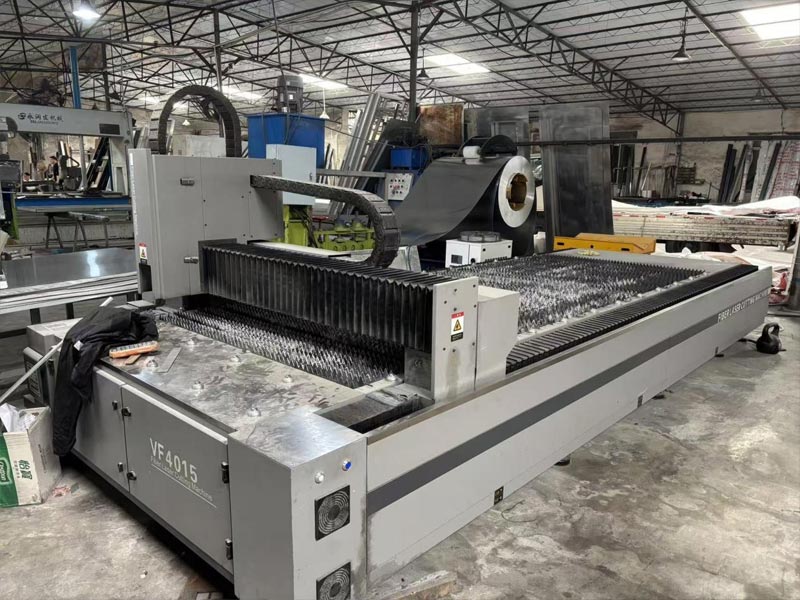
Production capacity is not a thermal rating
Hongfeng's company profile lists five precision engraving machines and three lines for spraying, assembly and engraving. Those capabilities support customized production and repeatable fabrication, but they do not replace a thermal report for the ordered assembly.
At drawing review, the useful question is simple: can the supplier mark every path where interior and exterior metal remain connected? That discussion should happen before profiles, locks and thresholds are released for production.
Put these items in the RFQ
A thermal specification should travel with the door schedule, not arrive after the appearance drawing is approved. Send the project location and wall section with the first inquiry.
- Project city, climate zone and whether the door separates conditioned space
- Required whole-door U-factor, units and applicable test or calculation standard
- Door configuration, outside frame size, active leaf and glass area
- Head, jamb, sill and meeting-stile sections with the thermal break marked
- Separator material, geometry and any metal fasteners crossing the break
- Glazing make-up, spacer, edge detail and solar heat gain requirement
- Air-leakage and condensation requirements with report scope
- Frame-to-wall insulation, membranes, sealant, drainage and anchoring detail
The cast aluminum door range can help narrow the visible material, configuration and surface design. The thermal requirement should then be written for the complete selected assembly.
Keep the thermal line continuous at installation
The door drawing ends at the frame. The building-envelope detail continues through the rough opening, air barrier, insulation and exterior weather layer. Someone must coordinate that junction. If the frame sits outside the insulation line, or the perimeter joint contains a wide empty gap, the installed result can underperform the submitted door.
Before installation, confirm sill support, drainage direction, anchor locations and the sequence of perimeter membranes and sealants. After installation, inspect seal contact around the full perimeter and check that hardware adjustment has not reduced compression at the corners. These checks do not create a certified rating, but they help preserve the design intent.
Decision: specify the boundary, then specify the door
A thermal break is a sensible requirement for a metal entrance in the conditioned envelope, especially where temperature difference, condensation or a project U-factor matters. It is not a universal upgrade for every outdoor gate.
Start with the boundary condition and the required whole-door performance. Then review the frame, leaf, sill, glazing, seals and installation joint as one heat-flow path. If the supplier cannot connect the construction shown in the drawing to a report that matches the quoted configuration, keep the performance claim out of the approval record.
Frequently asked questions
What is a thermal break in a metal door?
A thermal break is a low-conductivity part that separates exterior metal from interior metal in a door profile. It interrupts the direct conductive path through the frame or leaf. The design still needs structural connections, seals and installation details that preserve the separation.
Does every exterior metal door need a thermal break?
No. It has the clearest value when the door separates conditioned indoor space from outdoors and the project has a meaningful thermal or condensation requirement. A freestanding courtyard gate with outdoor air on both sides may gain little energy benefit.
Does a thermal break stop condensation?
It can raise interior surface temperatures and reduce one cause of condensation, but it does not guarantee a dry frame. Indoor humidity, outdoor temperature, air leakage, glazing, metal connections and the frame-to-wall detail also affect condensation.
Is a thermal break the same as an insulated door core?
No. An insulated core reduces heat flow through the main area of the leaf. A thermal break interrupts conductive metal paths at profiles and edges. A good entrance assembly may need both, along with suitable glazing, seals and installation.
What U-factor should an exterior door have?
There is no single value for every project. The target depends on the local energy code, climate, building type and door configuration. Ask the architect or energy consultant for the required whole-door value and confirm the units and test method before ordering.
How can a buyer verify a thermal break door?
Request section drawings for the head, jamb, sill and meeting stile, plus the separator material and geometry. Match those drawings to a whole-door U-factor, air-leakage evidence and report scope for the quoted size, glass and opening configuration.
Review the thermal section before production
Send Hongfeng the door schedule, opening dimensions, wall build-up, climate location, required ratings and preferred finish. Ask for the thermal-break sections and evidence package with the quotation.
Request a drawing review