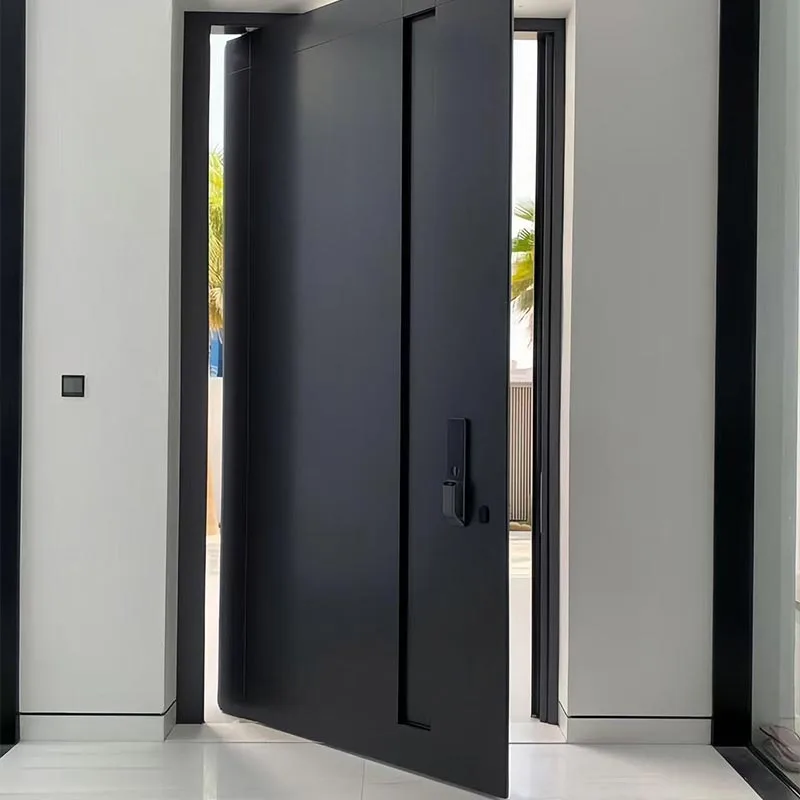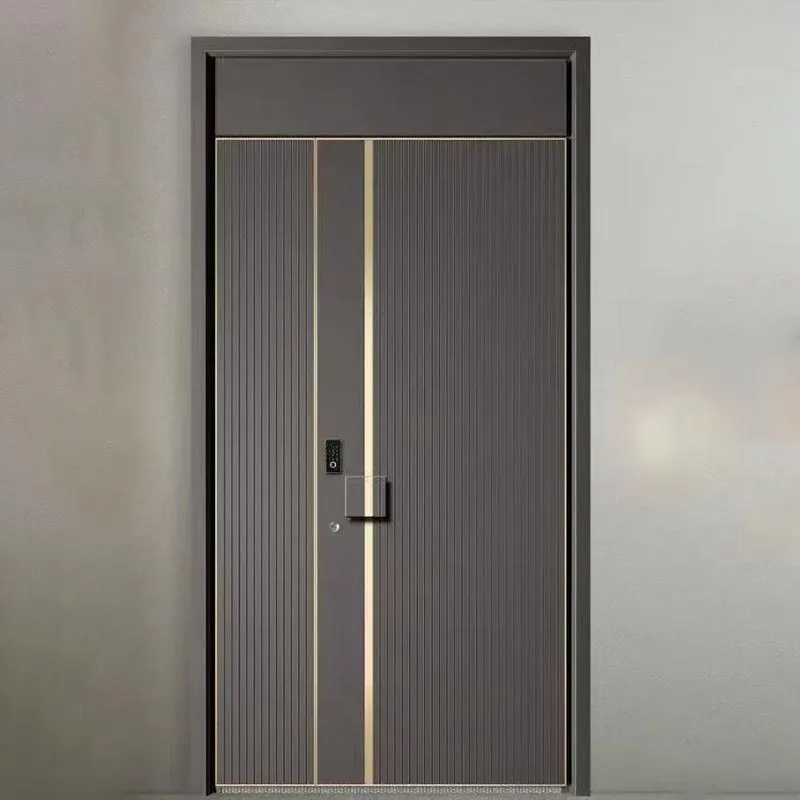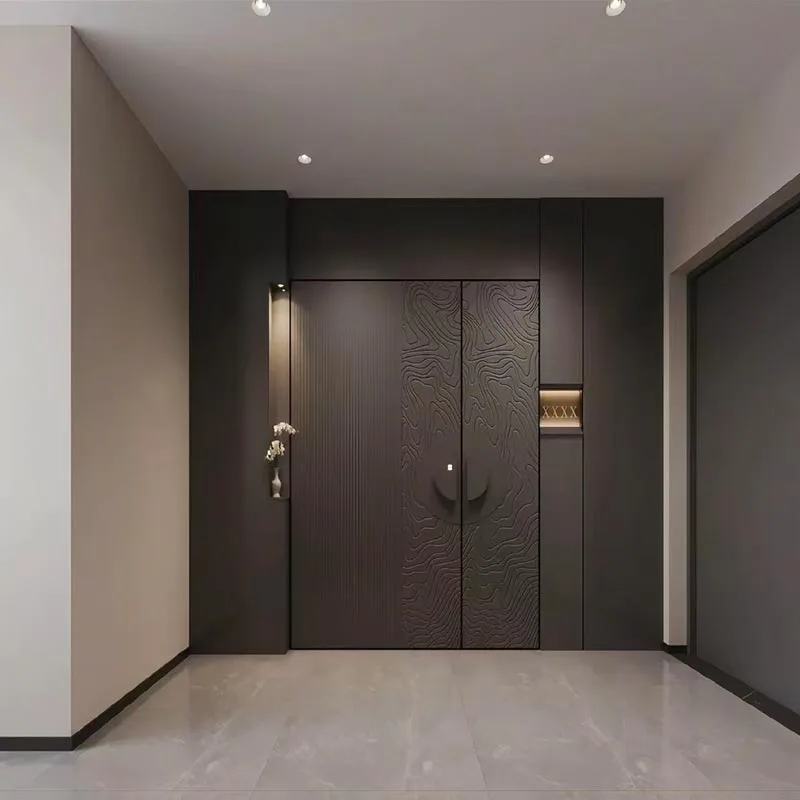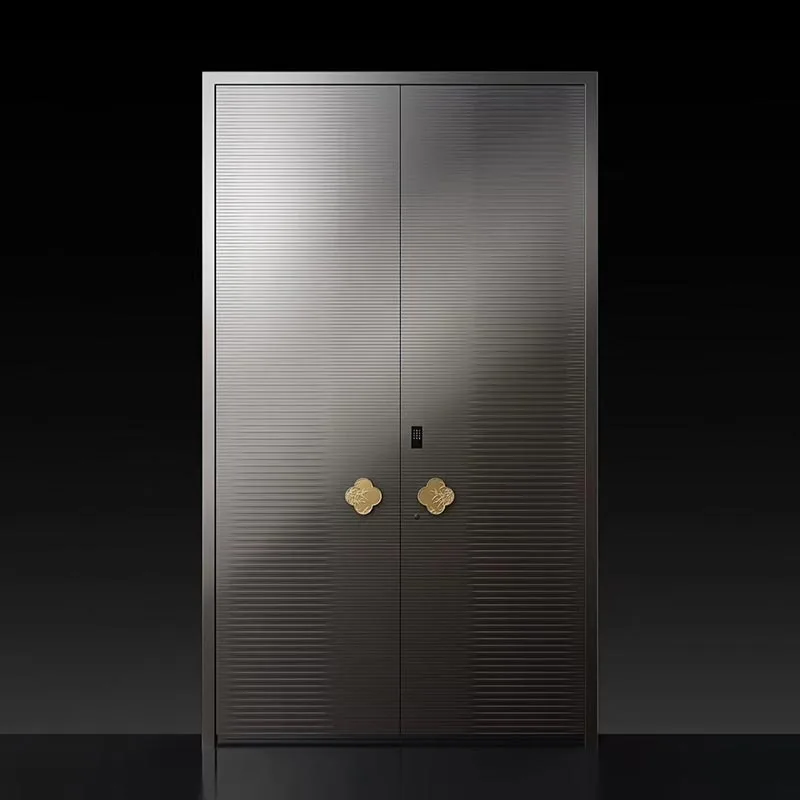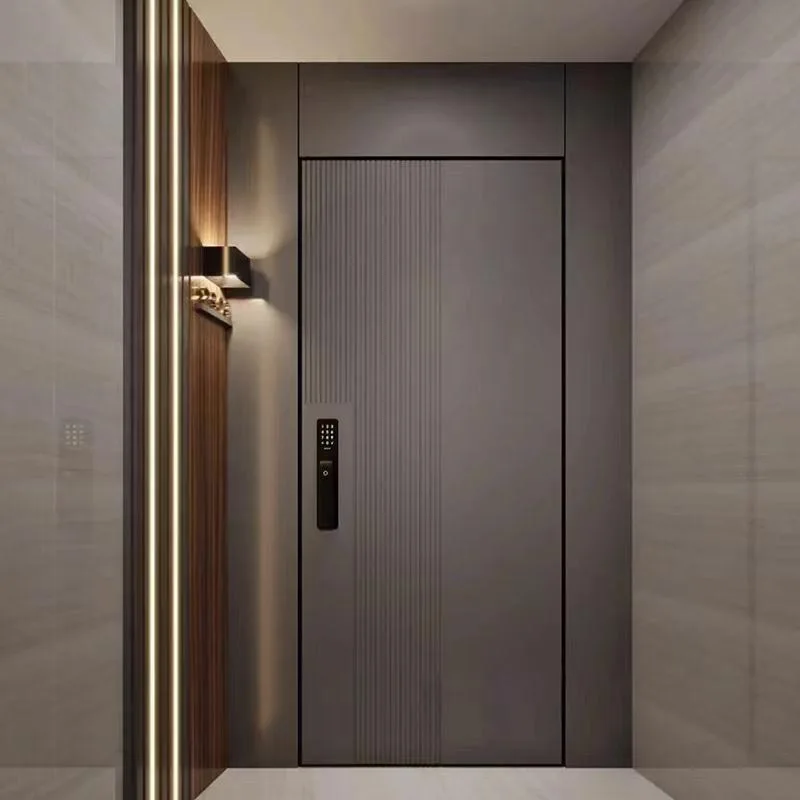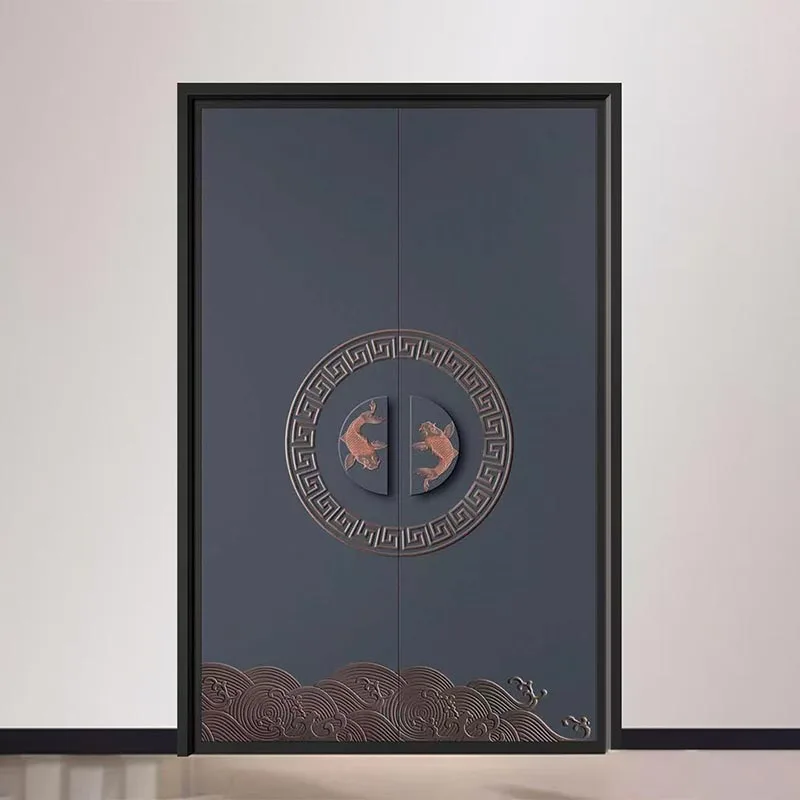


A coastal door is a material, finish, hardware, seal and drainage system. If one exposed edge, fastener or water path is ignored, a durable-looking door can develop trouble at its weakest detail.
The best exterior door for a humid or salt-laden site is not selected by material name alone. Start with the exposure, then specify the substrate, finish, dissimilar-metal isolation, hardware, water path and maintenance plan as one package.
For many coastal residential projects, a properly finished aluminum door is a practical starting point because it avoids red rust. That does not make every aluminum door coastal-ready. Ask for the exact alloy or substrate, pretreatment, coating build, protected cut edges, compatible fasteners, perimeter seals, sill drainage and project-specific test evidence. Copper can also work outdoors, but its appearance changes as it weathers and it must be isolated from aluminum and zinc where moisture is present.
Start with the exposure, not the postcode
Two doors in the same coastal city can face different conditions. One sits behind a deep porch and receives regular rain washing. The other faces prevailing wind, stays damp in shade and collects salt around the sill and lock trim. A straight-line distance from the sea does not capture that difference.
Before a factory recommends a construction, record the exposure that the door will actually see:
This exposure note belongs in the RFQ. It gives the supplier a basis for discussing the finish and details. It also creates a record against which samples, test reports and maintenance instructions can be reviewed.
Which door material fits a humid or coastal entrance?
The material changes the corrosion mechanism, weight, appearance and maintenance choices. It does not remove the need for coating, isolation and drainage. The comparison below is a specification starting point, not a universal ranking.
| Door system | Why buyers consider it | Coastal detail to verify | Do not assume |
|---|---|---|---|
| Coated cast aluminum | No red rust on the aluminum substrate; suitable for shaped and carved panels. | Alloy or substrate description, pretreatment, coating system, cut-edge repair, hinges, fasteners and drainage. | That the word "aluminum" proves every fitting, frame insert and edge is equally protected. |
| Copper-aluminum | Combines a copper appearance or layer with aluminum-based structural elements, depending on the build. | Exact layer arrangement, electrical isolation, runoff path, coating on each metal and repair method. | That two corrosion-resistant metals can touch safely in every wet detail. |
| Copper | Develops a changing surface as it weathers and can be used as an architectural exterior metal. | Whether the finish is intended to remain bright, age naturally or use a maintained coating; runoff and nearby porous stone. | That initial color will remain unchanged or that all clear coatings are maintenance-free. |
| Coated steel | Can provide a stiff, familiar door construction. | Coating at seams, welds, drainage holes, cutouts and site repairs; the full test system and inspection criteria. | That a coated flat sample represents a fabricated door with edges, penetrations and handling damage. |
The Aluminum Association notes that aluminum's corrosion resistance changes with alloy chemistry.1 This is why an RFQ should identify the actual substrate rather than stop at "aluminum door." A coating can add protection, but the substrate, pretreatment and fabricated details still matter.


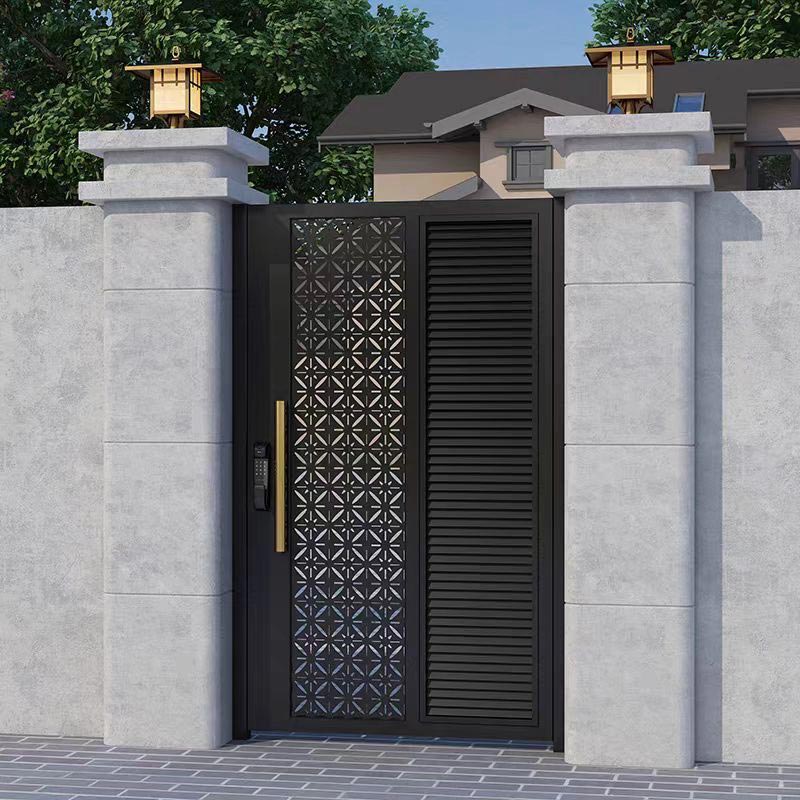
Turn "weather-resistant coating" into a real finish specification
Finish names are often used loosely. "Fluorocarbon," "powder coated" and "anti-oxidation finish" do not tell a buyer how the surface was prepared, how many layers were applied, what thickness was measured or how fabrication damage is repaired.
A useful finish submittal should answer seven questions:
- What exact metal or alloy is underneath the finish?
- How is the surface cleaned and pretreated before coating?
- What primer, color coat and clear or protective layer are used?
- What dry-film thickness range is specified, and how is it measured?
- What cure conditions and batch records are retained?
- How are welds, machined edges, lock cutouts and site scratches repaired?
- Which test report covers this substrate, pretreatment and coating combination?
The most revealing question is often number six. A laboratory panel has no lock cutout, threshold screw, weld discoloration or installer scratch. Those details appear only after the door has been fabricated and fitted.
Keep copper away from exposed aluminum and zinc
When dissimilar metals touch in the presence of conductive moisture, galvanic action can attack the less noble metal. A National Institute of Standards and Technology corrosion study identifies copper contact as destructive to aluminum and recommends avoiding details where moisture, salts and debris can collect.2
Runoff matters too. The same guidance says water washing from copper surfaces should not drain over exposed aluminum because traces of copper salts can accelerate corrosion. On a door, check copper cladding returns, decorative strips, fasteners, rain caps, thresholds and nearby metal wall panels. A thin isolation layer only works while it remains continuous.
Design where water goes after it reaches the door
"Waterproof" is not a useful drawing note by itself. Wind-driven rain reaches joints, changes direction at the frame and collects at horizontal surfaces. The entrance needs a continuous route that keeps water away from the interior and lets the sill discharge outward.
Review the head, jamb and sill sections together. Look at gasket corners, drainage slots, threshold end dams, the inactive leaf on a double door, glazing beads, lock penetrations and the perimeter joint between frame and wall. A door leaf can be well sealed while the installation joint beside it leaks.
Opening size also affects the details. Confirm the structural opening, finished opening, sill build-up and required clear width before fabrication. The standard and custom entrance door size guide explains which dimensions belong on the drawing. For wide openings, the single versus double entrance door guide shows why the active and inactive leaf split affects seals and daily operation.
A salt-spray result is not a service-life promise
ASTM B117 creates a controlled salt-fog environment that can provide relative corrosion-resistance information for test specimens. ASTM also states that stand-alone salt-spray results have seldom correlated with performance in natural environments and that extrapolation is not always predictable.3
So a statement such as "passed salt spray" is incomplete. Ask for the report and check:
- the standard edition and test laboratory;
- the substrate, alloy and coating layers on the specimen;
- whether the specimen was flat, scribed, cut or fabricated;
- exposure duration and chamber conditions;
- the failure criteria, such as blistering, corrosion, adhesion loss or creep from a scribe;
- photographs before and after testing;
- whether the tested system matches the proposed door finish.
Use the result to compare like with like. Do not convert chamber hours into years beside the sea unless a qualified source provides a validated correlation for that exact system and exposure.
What Hongfeng's public pages show, and what they do not
Hongfeng's cast aluminum category states that its system uses fluorocarbon baking paint, EPDM weatherstripping and stainless steel hinges. Its copper-aluminum category describes fluorocarbon surface protection, while the company-strength page lists spraying lines, wastewater treatment, dust control and a CNC door-profile washing machine.
Those details make useful RFQ starting points. They are not a coastal performance certificate. In the public pages reviewed on August 31, 2026, we did not find the coating film thickness, coastal exposure distance, salt-spray duration and evaluation criteria, or a whole-door water-infiltration report. Buyers should request those project-specific records before approval.

Coastal exterior door RFQ checklist
A short, precise RFQ is more useful than writing "marine grade" in the subject line. Include these twelve items:
- Project location and site exposure photographs.
- Door orientation, overhang and prevailing weather direction.
- Structural opening, finished opening and sill section.
- Door material, exact substrate and layer construction.
- Surface pretreatment and complete coating build.
- Film-thickness target, measurement method and batch record.
- Repair method for welds, cuts, machining and site damage.
- Hinge, lock, fastener and threshold materials with grades identified.
- Isolation details wherever dissimilar metals meet.
- Gasket material, corner joints, drainage and perimeter sealant.
- Relevant corrosion and water-test reports with acceptance criteria.
- Cleaning instructions, inspection intervals and finish warranty conditions.
Attach elevations and sections before the leaf split, hardware preparation and sill are released. Hongfeng's factory equipment page helps identify which process records to ask about, and the cast aluminum, copper-aluminum and copper door categories show the product families available for discussion.
Maintenance starts with deposit removal and inspection
A suitable maintenance schedule depends on how quickly salt and dirt accumulate, whether rain washes the door, and what the finish supplier permits. The Aluminum Association publishes separate care methods for mill-finished, anodized, chemically coated and painted aluminum because different surfaces should not be treated as one finish.4
Set the cleaning method in writing before handover. As a practical inspection routine, look at horizontal ledges, lower corners, drainage slots, hinge recesses, fasteners, lock trim, gaskets and repaired scratches. Use only cleaners and tools approved for the specified coating. Clear blocked drains and repair finish damage before corrosion spreads under the coating.
Choose a coated aluminum system when
The supplier can identify the substrate, finish build, edge treatment, hardware and test evidence, and the project team accepts a maintained architectural coating.
Choose a copper-facing system when
The intended weathering appearance is agreed, runoff is controlled, dissimilar metals are isolated and the owner understands the finish maintenance plan.
The final selection should also fit the building, opening and daily use. Start with the broader villa and luxury entrance door selection framework, then add this coastal exposure specification to the drawing package.
Frequently asked questions
What is the best exterior door material for a coastal home?
There is no single best material for every coastal site. Properly finished aluminum is often a practical starting point because the aluminum substrate does not form red rust, but the alloy, pretreatment, coating, fasteners, seals and drainage still need verification. Copper can also be used outdoors when weathering, runoff and contact with other metals are designed deliberately.
Will an aluminum exterior door corrode near the sea?
Aluminum can corrode, especially where salt and moisture collect, the finish is damaged or it touches a more noble metal in a wet joint. Its corrosion behavior also varies with alloy and surface treatment. Ask for the substrate, complete finish specification, protected cut edges and a maintenance plan instead of relying on the word "aluminum."
Is a fluorocarbon coating enough for a coastal door?
The coating name alone is not enough. Confirm the surface preparation, primer and topcoat, target film thickness, cure control, edge and weld repairs, test specimen and acceptance criteria. The hinges, fasteners, threshold, lock cutouts, seals and installation joint must also suit the exposure.
How many salt-spray hours should a coastal door pass?
A project specification may set a duration, but the number is meaningful only with the test standard, specimen, coating system and failure criteria. ASTM B117 states that stand-alone salt-spray results do not reliably predict performance in a natural environment. Compare reports on equivalent systems and do not convert chamber hours directly into years of service.
Can copper and aluminum be used in the same exterior door?
They can be designed into one system, but direct contact in the presence of moisture can create galvanic corrosion of the less noble metal. Use compatible non-absorptive isolation, maintain that barrier at screws and edges, and prevent copper-bearing runoff from washing over exposed aluminum.
Which door details should be inspected most often in humid climates?
Inspect lower corners, horizontal ledges, drainage slots, gasket joints, hinge recesses, fasteners, lock trim, threshold ends and any repaired scratches. These areas can hold deposits or moisture and may reveal coating damage or blocked drainage before a large visible defect develops.
Send the exposure before the finish is approved
Share the elevation, opening and sill section, hardware schedule, site photographs and a short description of salt, rain and cleaning exposure. Hongfeng can then review the material, finish, sealing and drainage questions against one drawing set.
Request a drawing review